
Navigating Planning Permission in Yorkshire and the Midlands: Expert Guidance
Planning permission in Yorkshire and the Midlands can feel like a maze. You’ve got big ideas for a new build, extension or heritage home—but local rules can slow you down. We’ll show you a clear path through the process, so you move forward with confidence. With expert guidance from Yorkshire architects residential clients trust, your project starts on the right foot. Learn more here.
Understanding Local Planning Rules
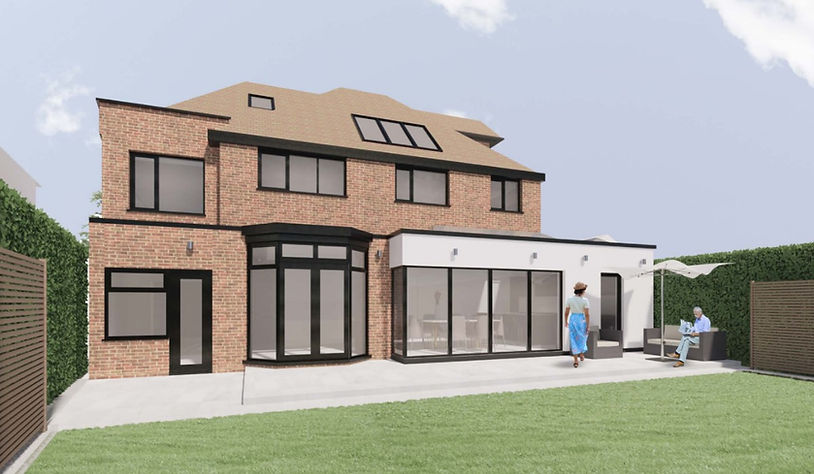
When embarking on a new build or extension, a solid grasp of local planning rules is essential. Let’s break down what you need to know to get started.
Planning Permission Yorkshire Insights
Navigating planning permission in Yorkshire requires you to be proactive. The rules and guidelines can vary by location. Start by visiting your local council’s website. They offer valuable insights tailored to your area.
For homeowners in Yorkshire, understanding permitted development rights UK is crucial. These rights can sometimes allow you to extend your home without full planning permission. However, these rights have limits. Checking with your local planning authority can clarify what’s possible.
A pre-application advice service is often available. Taking advantage of it can save you time and stress. This service helps clarify what’s required before you submit your application. Most people think jumping in is best, but early advice can unveil potential hurdles early on. Read more on Yorkshire planning advice here.
Midlands Planning Permission Essentials
In the Midlands, the focus is often on detail. Each local authority might have its quirks, but certain essentials remain constant. First, gather all necessary documentation. This should include planning drawings UK and a Design and Access Statement.
Seeking permission in the Midlands involves understanding “what” and “why.” Outline your project’s purpose and design benefits clearly. This transparency often helps in gaining approval.
Make sure to explore the online resources available. The Planning Portal offers comprehensive guidance. This site is a one-stop-shop for everything from householder planning applications to conservation area consent. Most people think single sources suffice, but diversifying your resources enhances understanding.
Path to Approval
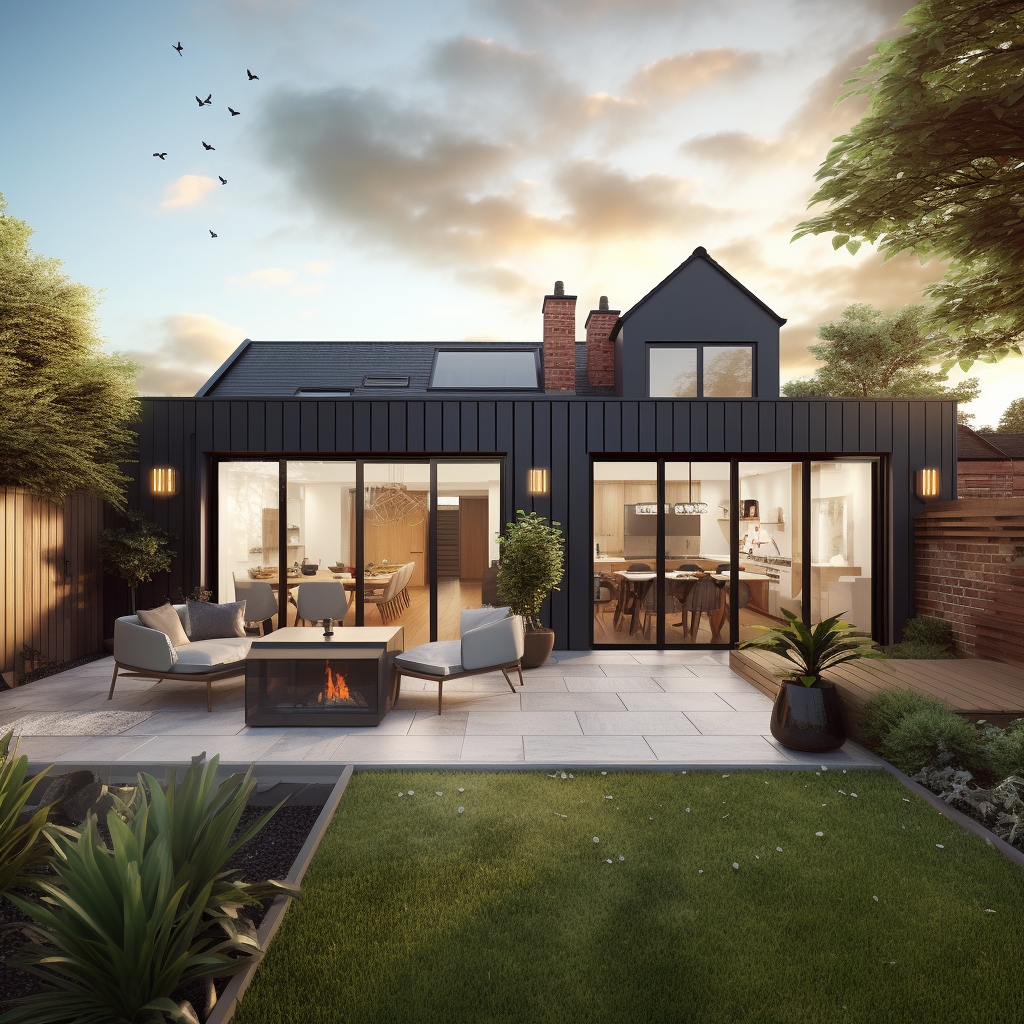
With an understanding of local rules, charting a path to approval becomes manageable. Let’s explore simplifying this journey.
Simplifying Home Extension Planning
When planning a home extension, clarity is key. Start by pinpointing what your family needs. Then, consider your home’s existing layout.
Work with a RIBA architect Midlands to create plans that showcase space use and aesthetic appeal. These professionals help translate your vision into viable plans. They also know how to communicate effectively with planning authorities.
Having a well-structured plan makes the planning process smoother. Presenting clear reasoning for the extension’s size and design can boost your chances of success. Remember, the longer you wait to start, the more likely you’ll encounter delays.
Navigating Green Belt Planning Yorkshire
Green Belt areas come with unique challenges. The aim here is to protect against urban sprawl while allowing for controlled development. That means stricter scrutiny on applications.
To increase approval chances, demonstrate your project’s minimal impact on the landscape. Use building regulations drawings to highlight sustainable design choices.
Consider consulting specialists who have experience with Green Belt areas. Their insights can prove invaluable. Explore more locations and insights here.
Heritage and Conservation
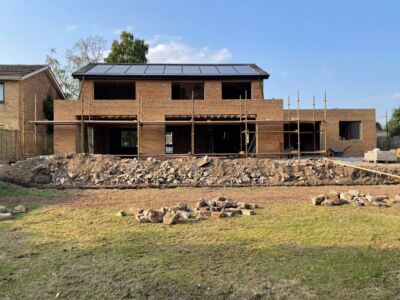
Preserving the past while moving forward can be challenging. Let’s explore how to respect heritage while pursuing your vision.
Listed Building Consent Tips
Listed buildings demand special attention. They are a vital part of our heritage, requiring careful handling during renovations.
Start by familiarising yourself with the building’s historical significance. This understanding informs your approach. Engage with heritage consultants early. They’ll guide you through the listed building consent process.
Creating a detailed heritage statement is crucial. This document should explain how your project respects the building’s character. Focusing on preservation aligns your project with conservation goals, easing the path to approval.
Crafting a Heritage Statement
A heritage statement is a narrative that supports your planning application. It outlines how your proposal impacts the historic fabric of the building.
Begin by researching the building’s history. Include details about its architecture and past modifications. Conservation area consent often hinges on this understanding.
Highlight measures to protect original features while accommodating new uses. Providing specifics in your statement demonstrates respect for the building’s value. Explore further insights in this informative video.
By understanding local rules, navigating the approval process, and respecting historical elements, you can confidently embark on your architectural journey. Your dream home awaits, and with the right guidance, it’s within reach.