
Navigating Planning Permissions Smoothly: A Guide for Yorkshire and Midlands Homeowners
Planning permissions in Yorkshire and the Midlands often feel like a maze that slows down your building dreams. Missing key steps can lead to delays or costly setbacks, leaving you frustrated before your project even starts. This guide breaks down what you need to know, so you can move forward with confidence and shape your bespoke home design without unnecessary hurdles. For more detailed advice, you can visit this guide to understanding UK planning permission.
Understanding Planning Permissions

Tackling planning permissions might seem daunting, but breaking it down can simplify the process. Whether you’re renovating or building from scratch, knowing the steps involved keeps your project on track.
Key Steps in the Process
First, you’ll need to determine if you need planning permission. Many projects require it, but some minor changes might not. It’s crucial to check with your local authority and perhaps consult an online planning portal for guidance. Once you know you need permission, gather all necessary documents. This includes site plans, architectural drawings, and any relevant surveys. Submitting a complete application ensures that you’re taken seriously and that the approval process starts smoothly.
After submission, there’s typically a waiting period. During this time, the local planning authority reviews your application. They might ask for additional information or suggest changes. Be prepared to engage in some back-and-forth to address any concerns they might have. The average decision time is around eight weeks, but it can vary based on complexity and local policies.
Common Pitfalls to Avoid
One major pitfall is not checking local development plans. These plans outline what types of developments are encouraged or restricted in your area. Ignoring them can lead to automatic refusals or lengthy appeals. You should also be wary of overlooking neighbour consultations. Their objections can delay or derail your plans.
Many people assume that planning permission is solely an administrative hurdle. In truth, it’s an opportunity to refine and improve your project. By addressing potential issues upfront, you’re not just complying with regulations; you’re enhancing the quality and sustainability of your home. Don’t let myths hold you back—proper planning today prevents headaches tomorrow.
Regional Considerations

Planning permissions can differ significantly by region, making it essential to understand local nuances. Yorkshire and the Midlands each have unique characteristics that could impact your project.
Planning Permissions in Yorkshire
In Yorkshire, the landscape is diverse, from urban centres to rolling hills. This diversity means local councils have varied requirements. Urban areas like Leeds might have stricter rules to maintain city aesthetics, while rural areas focus on preserving the countryside. You can find more on Yorkshire’s policies here.
One example is the emphasis on maintaining the character of villages. If you plan to build in a place like Harrogate, expect regulations enforcing the use of traditional materials like stone or slate. On the flip side, urban developments might require considerations for energy efficiency or green spaces.
Planning Permissions in the Midlands
Midlands planning permissions often focus on balancing growth and heritage. Cities like Birmingham are undergoing modernisation but still cherish historical sites. This dual focus means your project needs to respect both innovation and tradition. Explore Midlands-specific guidelines here.
For instance, a new build in Coventry might need to integrate with existing Victorian architecture. Meanwhile, Leicester promotes sustainable construction, encouraging eco-friendly designs that minimise environmental impact. These regional priorities don’t just affect compliance—they offer a chance to align your home with broader community goals.
Expert Advice and Support
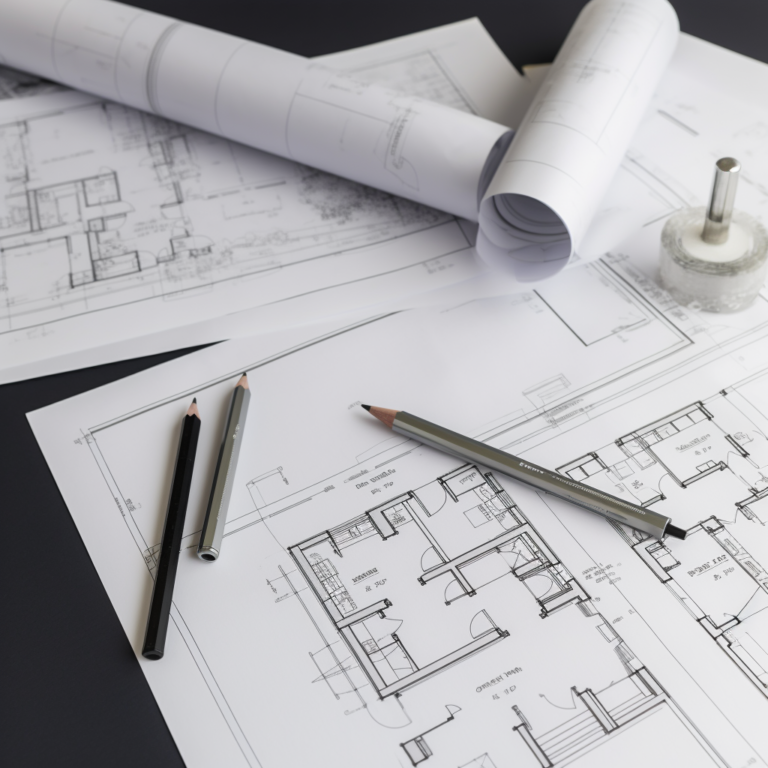
Getting expert advice can make a world of difference. Architects and planners can guide you through the complexities with ease.
Architectural Planning Advice
Architectural planning advice is invaluable when navigating planning permissions. Experts can provide insights tailored to your project’s needs and your local area’s rules. Most people believe they can handle planning alone, but this often leads to oversights and delays. Engaging an architect early ensures a smoother journey.
Professional advice highlights potential obstacles and offers creative solutions. An architect might suggest altering your design slightly to meet local guidelines or enhance natural light. This proactive approach not only meets regulations but can elevate the overall design of your space. Remember, good planning isn’t just about getting approval—it’s about crafting a home that truly works for you.
Bespoke Home Design Solutions
Bespoke home design solutions offer a personalised touch that off-the-shelf plans can’t match. These solutions start with understanding your vision and translating it into reality. By focusing on your unique needs, architects create spaces that reflect your lifestyle and aspirations.
Working with a professional enables you to explore options you might not have considered. For example, integrating smart home technology or using sustainable materials can add value and comfort. An experienced architect will ensure that your home isn’t just a structure—it’s a space that resonates with who you are.
Every project is different, and navigating planning permissions requires both knowledge and creativity. By understanding the process and leveraging expert advice, you can move forward with confidence and excitement in building your dream home.