
Sustainable materials that elevate modern home design
Sustainable materials are reshaping how we build and live in our homes. Choosing the right options means more than ticking eco-friendly boxes—it improves comfort, cuts energy costs, and adds lasting value. At Hepburn Architects, we specialise in blending these materials into bespoke residential designs across Yorkshire, the Midlands and the North East. Let’s explore how thoughtful choices like hempcrete, FSC timber and triple glazing create homes that are beautiful, practical and future-ready. Read more here.
Key Sustainable Materials
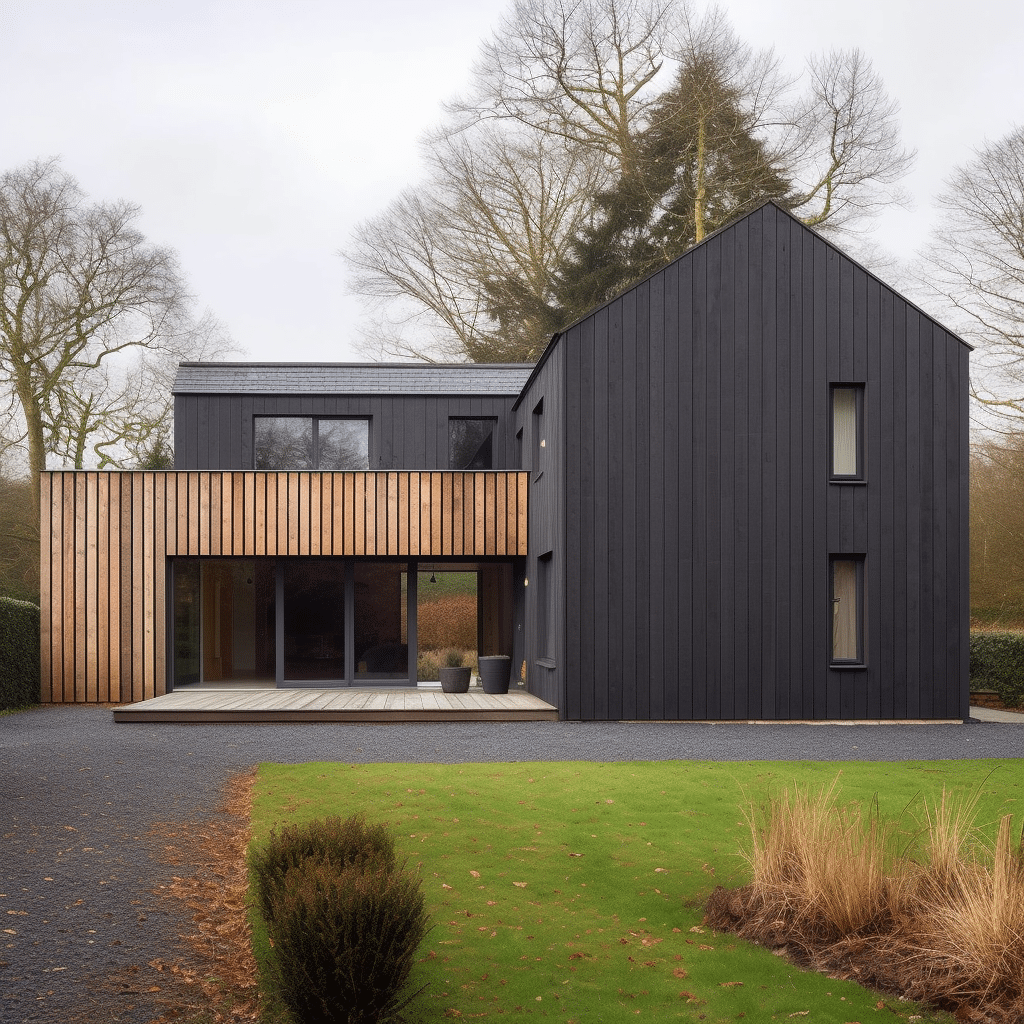
Looking for eco-friendly building materials that offer more than just green credentials? Let’s explore three essential options that not only enhance your home but also contribute positively to the environment.
FSC Timber and Cross-Laminated Timber
FSC timber is your go-to for responsible forestry. You help protect forests by choosing this wood, ensuring they are managed sustainably. Cross-laminated timber (CLT) takes it a step further.
-
Why CLT? It’s strong and versatile.
-
Perfect for walls, floors, and roofs.
You get a renewable material that’s as robust as traditional options but with a lower carbon footprint. For more insights into sustainable building practices, check out this informative article.
Reclaimed Brick and Lime Render
Reclaimed brick isn’t just about rustic charm. It’s a smart choice because each brick reused means less energy spent on new production. Lime render complements this by offering breathability and durability.
-
Why use lime render?
-
It adapts to changes in humidity, reducing cracks and maintaining flexibility.
Together, they create a facade that’s both timeless and resilient. Imagine a heritage home look, but with all the perks of modern sustainability.
Hempcrete and Cork
Hempcrete is a game-changer. Made from hemp fibres, it provides excellent insulation. Plus, it’s carbon-negative, meaning it absorbs more CO2 than it emits. Cork is another wonder material. It’s renewable and offers impressive thermal and acoustic insulation.
-
Why choose cork?
-
It’s naturally resistant to pests and fire.
Using these materials, you not only build a comfortable home but also contribute to a healthier planet. Discover more about innovative sustainable options here.
Performance and Comfort in Design
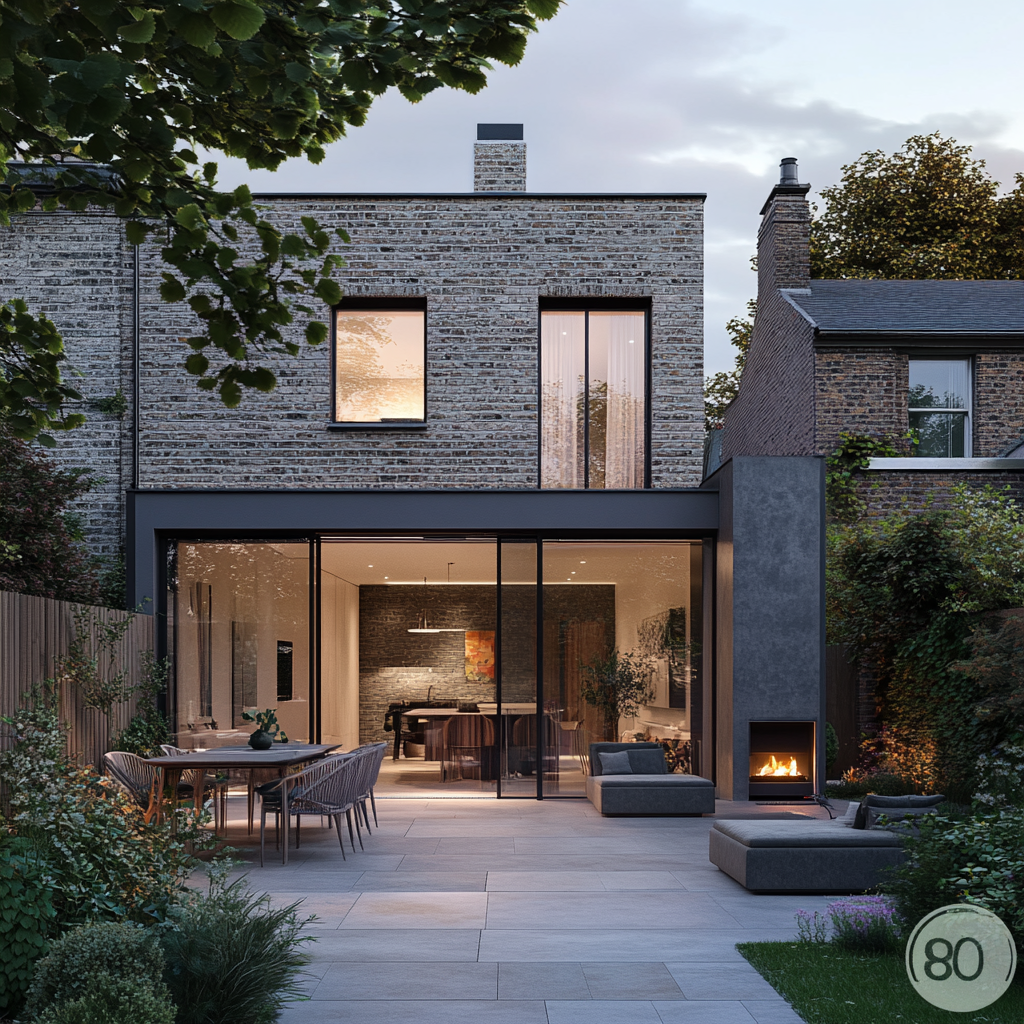
The right materials don’t just look good—they enhance your home’s performance and comfort. Let’s dive into critical aspects that affect how your home feels and functions.
Airtightness and Thermal Bridging
Airtightness is crucial for energy efficiency. By sealing your home properly, you reduce drafts, making heating and cooling more efficient. Thermal bridging can undermine this by allowing heat to escape.
-
What’s the solution?
-
Use materials like sheep’s wool or cellulose insulation that fill gaps effectively.
Together, they create a snug environment, keeping warmth in during winters and out in the summers.
Moisture Management and Acoustics
Moisture in homes can lead to significant issues like mould. Effective moisture management is key. Materials like cork and lime render naturally regulate humidity.
-
Why is this important?
-
It keeps your home healthier and reduces maintenance costs.
Moreover, soundproofing adds to comfort. High-density materials like cork help in minimising noise, offering you a peaceful sanctuary.
Indoor Air Quality and Insulation
Indoor air quality directly impacts your well-being. Low-VOC paints and finishes ensure you breathe cleaner air. Alongside, high-quality insulation like hempcrete maintains a stable indoor climate.
-
What’s the advantage?
-
You enjoy a comfortable temperature year-round without over-relying on HVAC systems.
This not only cuts down energy bills but also enhances your daily living experience.
Balancing Carbon and Value
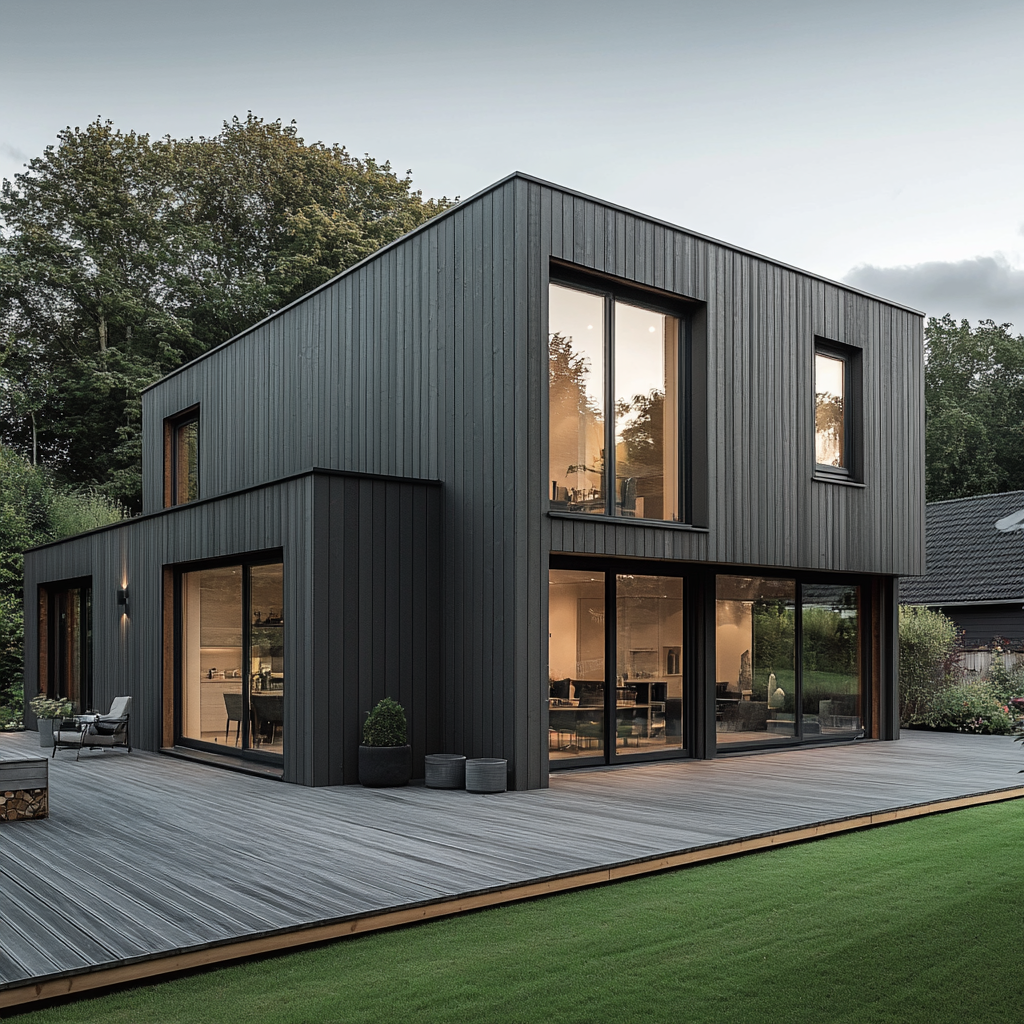
Balancing eco-conscious choices with economic value is vital. Let’s explore how sustainable materials contribute to both.
Embodied Carbon Considerations
Embodied carbon refers to the CO2 emissions from the entire lifecycle of a building material. By opting for materials with low embodied carbon like FSC timber and reclaimed bricks, you significantly reduce your carbon footprint.
-
Did you know?
-
Choosing these materials can cut emissions by up to 30%.
This makes a big difference in achieving RIBA 2030 targets for sustainable buildings.
Long-Term Durability and Maintenance
Durability is not just a buzzword. Materials like cross-laminated timber and lime render require less maintenance, saving you time and money in the long run.
-
Why does this matter?
-
Less maintenance means fewer resources used over time.
This is a financial win and an eco-friendly choice, ensuring your home remains resilient and beautiful over the years.
Regional Supply Chain Benefits
By sourcing materials locally, you support the regional economy while reducing transportation emissions. This approach not only benefits the environment but also ensures materials are suited to local climates and conditions.
-
What’s the benefit?
-
You get materials that perform better and support local businesses.
Interested in how these choices can transform your home? Reach out to see how Hepburn Architects can help make your vision a reality.
By weaving sustainable materials into your home design, you create a space that’s not only beautiful and comfortable but also respectful of our environment. Whether you’re planning a new build or a renovation, these choices deliver lasting value and peace of mind.