Sustainable design trends reshaping homes in the North East and Midlands
Sustainable home design in the North East is no longer a niche—it’s becoming essential for anyone building or renovating. You want a home that cuts energy bills, meets planning expectations, and holds its value over time. In this guide, we break down the key trends reshaping homes across the North East and Midlands, explaining what works, what costs to expect, and how to avoid common pitfalls. Let’s explore the practical steps you can take now to create a future-proof home. For more insights, check out this guide.
Sustainable Home Design Trends
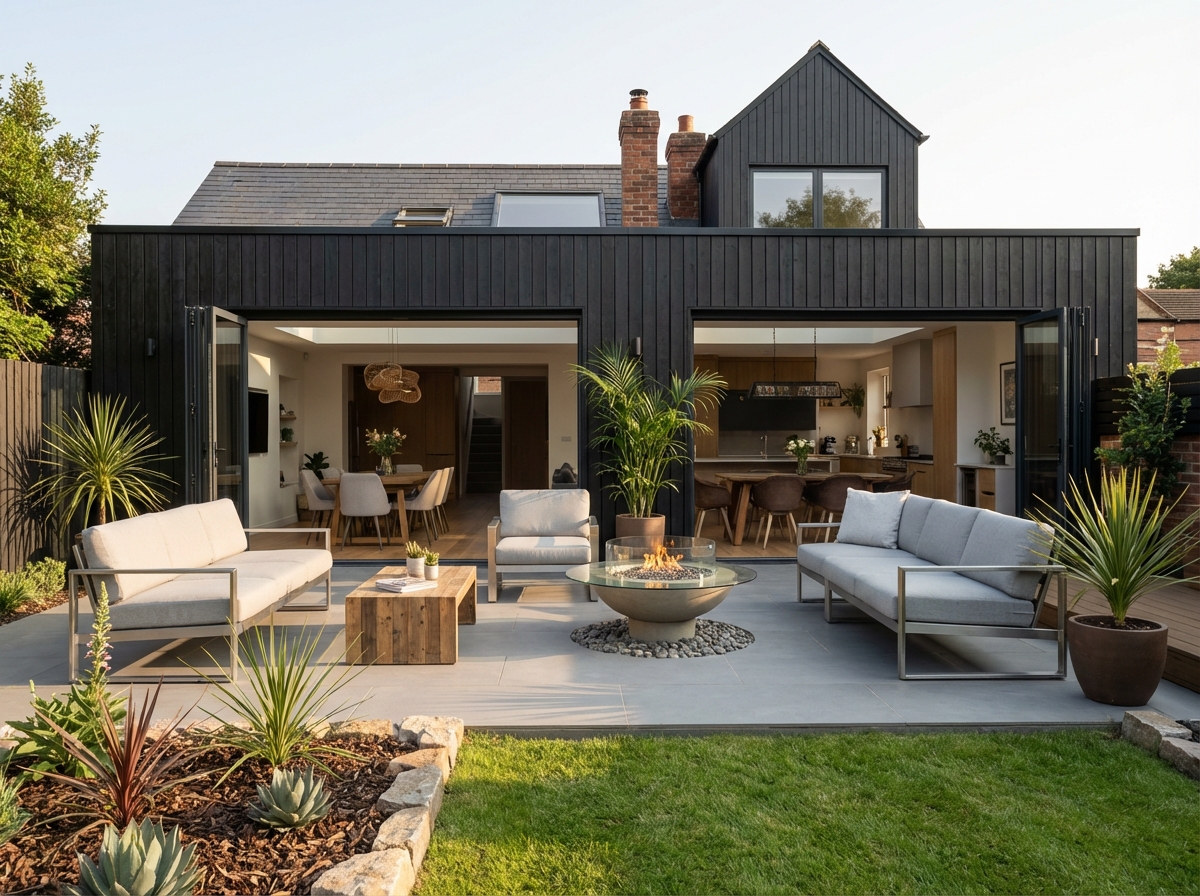
In the rapidly changing world of home construction, sustainable design is at the forefront, especially in the North East and Midlands. Let’s explore cutting-edge trends that can transform your home into an eco-friendly haven.
Passivhaus Principles in Practice
Imagine living in a home that almost heats itself. Passivhaus principles focus on creating such spaces. They use airtightness and insulation to maintain a stable indoor climate. Start by looking at homes that have been designed with this method; they often have minimal heating bills due to their efficiency.
-
Airtight Layers: Ensure your home is sealed against unwanted air leaks.
-
Superinsulation: Keeps warmth in during winter and cool air in summer.
Focus on high-performance windows and doors. A neighbour recently noted that their Passivhaus upgrade cut heating costs by 75%. It’s a proven way to save money and increase comfort.
Fabric First Retrofits Explained
If your home isn’t newly built, don’t worry. Older homes can be transformed using a fabric first approach. This means prioritising the building’s envelope—walls, floors, and roofs—to boost energy efficiency before adding fancy tech.
-
Insulate Before Anything Else: Proper insulation is the foundation.
-
Seal and Protect: Address drafts and weak points.
With this method, Victorian terraces are seeing amazing transformations. One retrofit reduced energy usage by 30% simply through strategic insulation. It’s about getting the basics right for long-term savings.
Timber Frame Construction Insights
Timber frame homes are not just for the adventurous. They’re becoming a mainstream choice due to their embodied carbon materials. Timber is a renewable resource that provides excellent thermal properties.
-
Quick Build Times: Timber frames can be faster to erect.
-
Sustainable Choice: Timber absorbs carbon dioxide.
A Midlands developer recently switched to timber for its eco-credentials and speed. The result? A project completed 20% faster than traditional methods. Timber frames aren’t just good for the planet—they’re practical, too.
Energy Efficiency Techniques
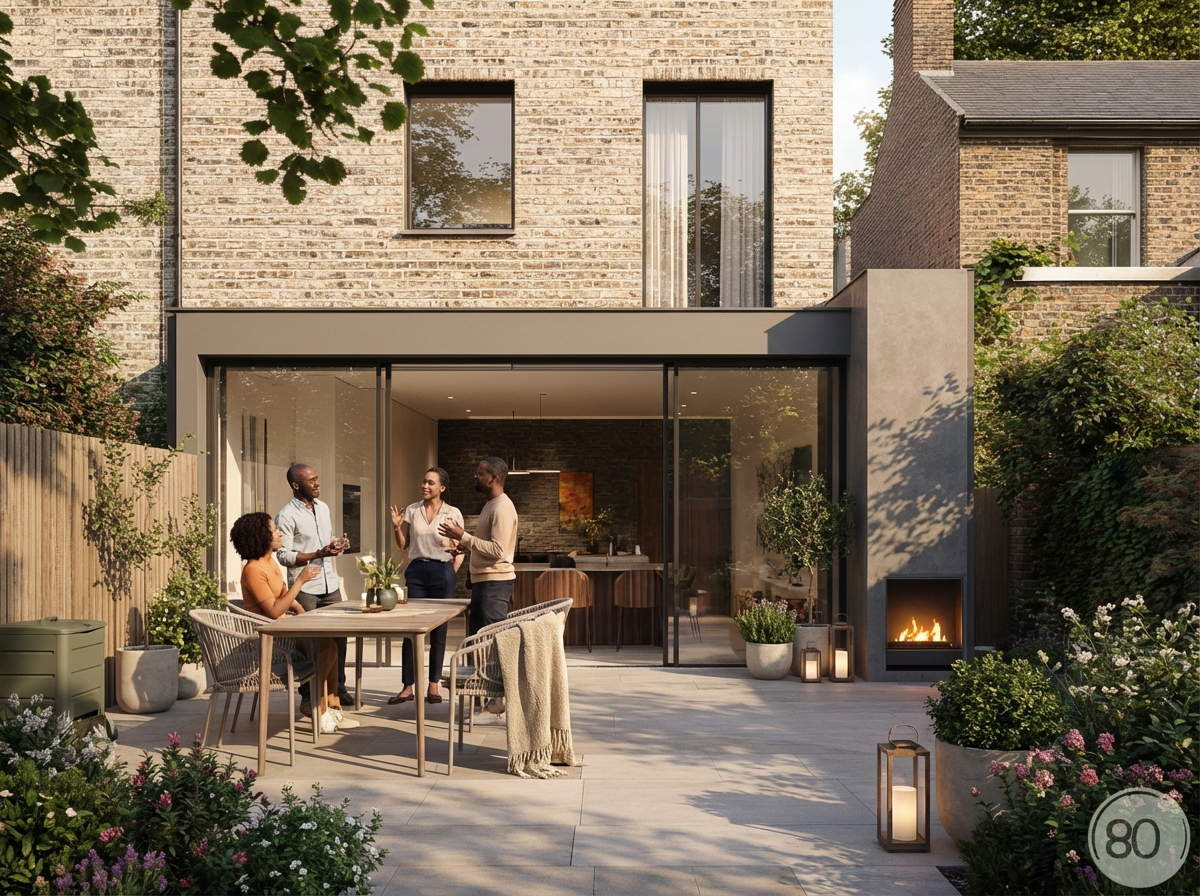
From innovative ventilation options to cutting-edge heating solutions, energy efficiency is key for modern homes. These techniques can drastically reduce your utility bills while keeping your home comfortable all year round.
MVHR Ventilation Systems
An efficient home needs fresh air without the cost of heat loss. Mechanical Ventilation with Heat Recovery (MVHR) systems recycle warmth from outgoing air to heat incoming fresh air.
-
Fresh Air, Less Cost: Enjoy a healthier indoor environment.
-
Reduce Dampness: Continuously ventilates your home.
If you’ve ever felt stuffy indoors, MVHR might be your solution. One North East homeowner reported their air quality improved dramatically after installation, alongside a 20% drop in heating costs.
Air Source Heat Pumps Benefits
Think of air source heat pumps as a way to harness the air outside to heat your home. They are an effective component of low-energy home design.
-
Low Running Costs: They can be cheaper than traditional heating.
-
Minimal Maintenance: Once installed, they need little upkeep.
These pumps work like a charm, even in colder climates. A Midlands resident shared how their heating bill halved within the first month of use. It’s a straightforward way to embrace sustainable living.
Rainwater Harvesting Systems
Why let rainwater go to waste? A rainwater harvesting system collects and reuses water for non-drinking purposes, such as flushing toilets or garden irrigation.
-
Conserve Water: Use collected rain for everyday tasks.
-
Reduce Utility Costs: Less reliance on mains water.
Installations are becoming more common, with one local council noting a 15% reduction in water usage in homes with these systems. It’s a smart choice for both your wallet and the environment.
Planning and Environmental Considerations
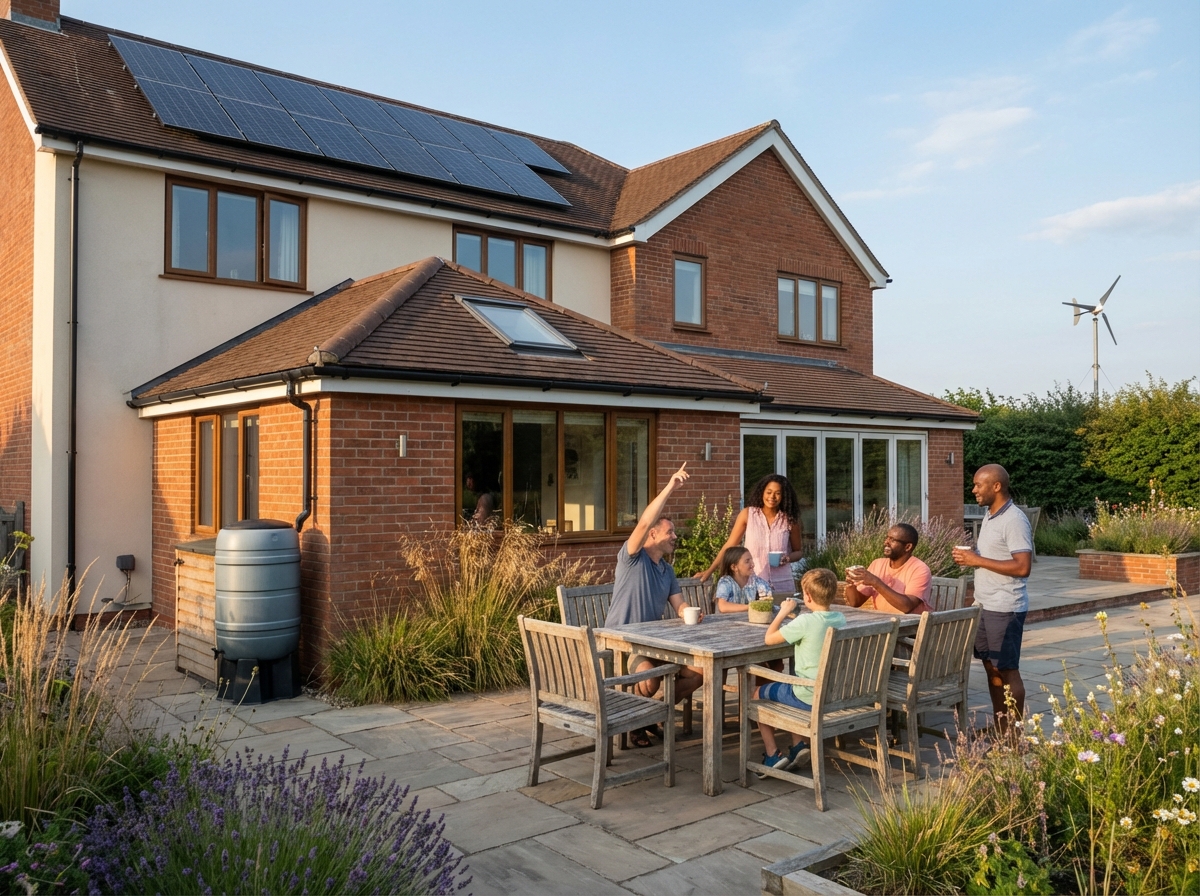
Building sustainably is only part of the journey. Consider the planning and environmental aspects that can impact your projects in the UK.
Biodiversity Net Gain Housing
Planning authorities are now looking for developments that enhance local ecosystems. Biodiversity net gain involves creating environments that support wildlife and plant life.
-
Wildlife-Friendly Spaces: Add bird boxes or green roofs.
-
Boosts Local Ecosystems: Turn your garden into a haven for nature.
One Midlands project incorporated wildflower meadows, increasing bee populations significantly. Building with nature in mind ensures your project contributes positively to the environment.
Overheating Mitigation Under Part O
With the UK climate warming, overheating is a real concern. Part O of Building Regulations addresses this by ensuring homes are designed to stay cool.
-
Shaded Windows: Use landscaping or blinds.
-
Thermal Mass: Incorporate materials that absorb and release heat.
Ignoring overheating can lead to discomfort and increased energy use. One North East resident tackled this with external shutters, cutting air conditioning costs by 40%. It’s all about planning for comfort.
SuDS for Homes in the UK
Sustainable Drainage Systems (SuDS) are crucial for managing water runoff in urban areas. They prevent flooding and enhance water quality.
-
Permeable Surfaces: Use gravel or permeable tarmac.
-
Natural Drainage: Incorporate swales or rain gardens.
A local community implemented SuDS, and there was a marked reduction in surface water issues. It’s a smart move to future-proof against changing weather patterns.
By considering these design trends and techniques, you can create a home that stands the test of time, enhances your lifestyle, and supports the environment. Dive into these sustainable solutions and watch your home transform.