
Style Meets Sustainability: Smart Design Strategies for Beautiful, Low‑Energy Homes
Style doesn’t have to cost the planet. When you’re planning a home that blends charm with sustainability, smart design choices make all the difference. From fabric-first approaches to renewable energy solutions, sustainable home design offers ways to cut energy use without losing character. Let’s explore how your next project can be both beautiful and low-energy, crafted with care by Yorkshire, Midlands and North East architects who understand your vision. For more on sustainable design strategies, check out this guide.
Sustainable Design Strategies
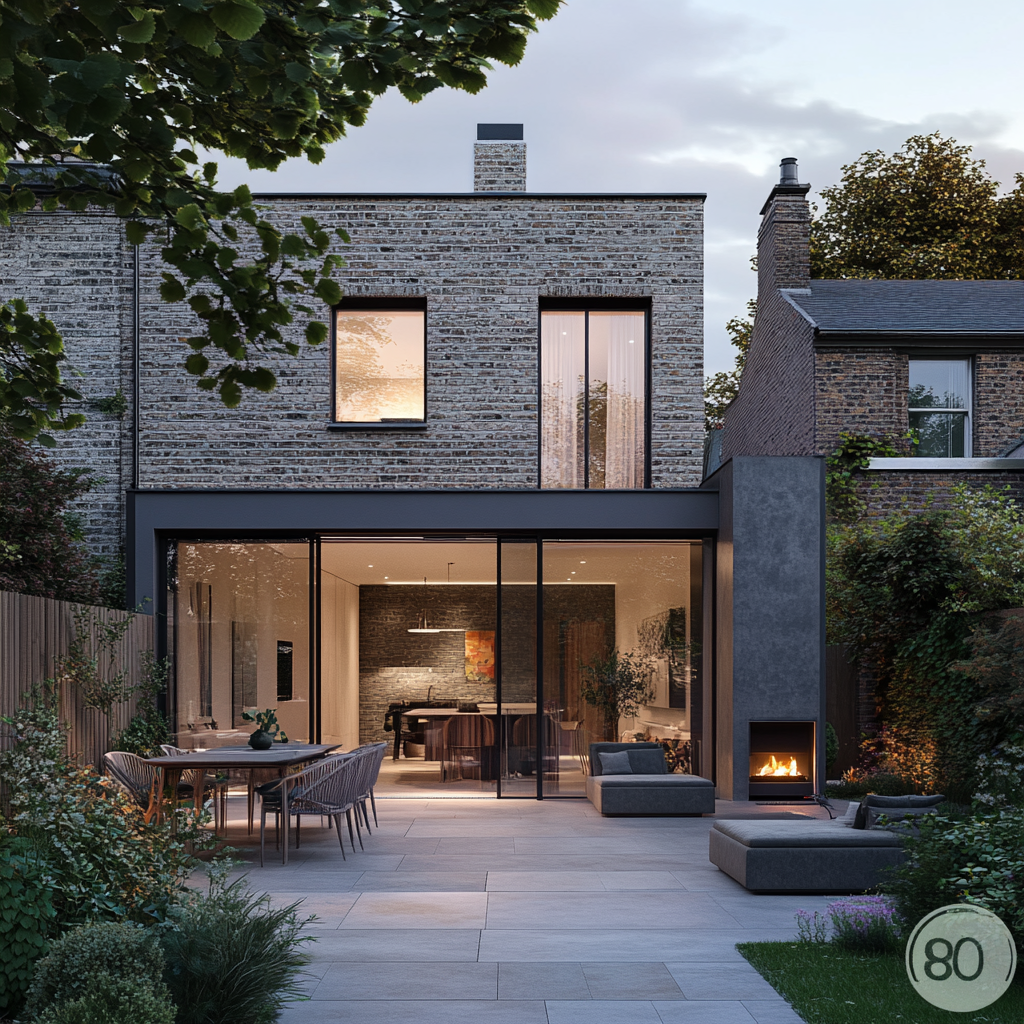
To create a home that is both stylish and eco-friendly, let’s dive into some strategies that can help you achieve this balance. These strategies focus on using less energy while maintaining a beautiful appearance.
Fabric-First Approach
Begin with a solid foundation by focusing on the building’s fabric. This means choosing materials and construction methods that naturally conserve energy. Think about using triple glazing for windows and adding extra insulation to walls. These steps help keep your home warm in the winter and cool in the summer, reducing the need for heating and cooling systems.
Consider this: By improving insulation, you can cut energy costs by up to 30%. This approach doesn’t just save money—it’s a step towards a greener planet. Ready to explore more sustainable design strategies? You can find additional insights here.
Passive Solar Planning
Harness the sun’s power without spending a fortune on fancy gadgets. You can do this through smart placement of windows and choosing the right materials. Large south-facing windows can capture sunlight to naturally warm rooms. In contrast, shading and the right roof overhangs prevent overheating in the summer.
Think about this: A home designed with passive solar techniques feels naturally comfortable year-round. It’s a simple yet powerful way to reduce energy use while keeping your design goals intact.
Renewable Energy Solutions
Incorporating renewable energy sources is key to sustainable home design. Options like solar panels and air source heat pumps are becoming more affordable. Solar panels convert sunlight into electricity, while air source heat pumps can be a great option for heating and cooling your home.
Did you know? Installing solar panels can reduce your electricity bills by up to 50%. It’s not just a smart choice for the environment but also a wise financial decision. Learn more about integrating renewable solutions here.
Bespoke Residential Design
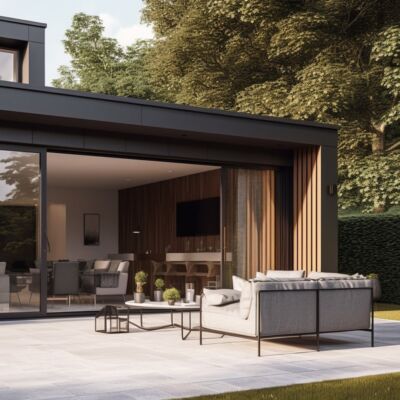
Once you have a clear understanding of sustainable strategies, it’s time to focus on creating bespoke designs that reflect your personal style. This section will explore how you can customize your space while maintaining eco-friendly principles.
Tailored Space Planning
Your home should fit your lifestyle, not the other way around. Tailored space planning involves designing each room to serve your specific needs. Whether you need a cozy reading nook or a spacious kitchen for entertaining, the layout should reflect your daily life.
Consider how a well-planned space can improve your day-to-day routines—enhancing functionality while staying true to your design goals. Smart space planning can also increase the value of your home significantly, making it a wise investment.
Heritage Modernisation Techniques
Bringing new life to older properties requires a delicate balance. Heritage modernisation involves updating traditional homes with modern comforts without losing their original charm. This can include installing energy-efficient lighting, upgrading heating systems, or using natural materials that complement the original design.
By blending the old with the new, you create a unique living space that respects history while meeting modern standards. This approach not only preserves architectural heritage but also adds a layer of sophistication to your home.
Material Selection and Embodied Carbon
Choosing the right materials is crucial for reducing the embodied carbon of your home. Opt for natural and recycled materials wherever possible. Not only do they offer a lower carbon footprint, but they also bring unique textures and warmth to your design.
Think about using locally sourced materials to further reduce transportation emissions. Every choice you make can contribute to a more sustainable future. For guidance on sustainable material selection, visit this resource.
Planning and Execution
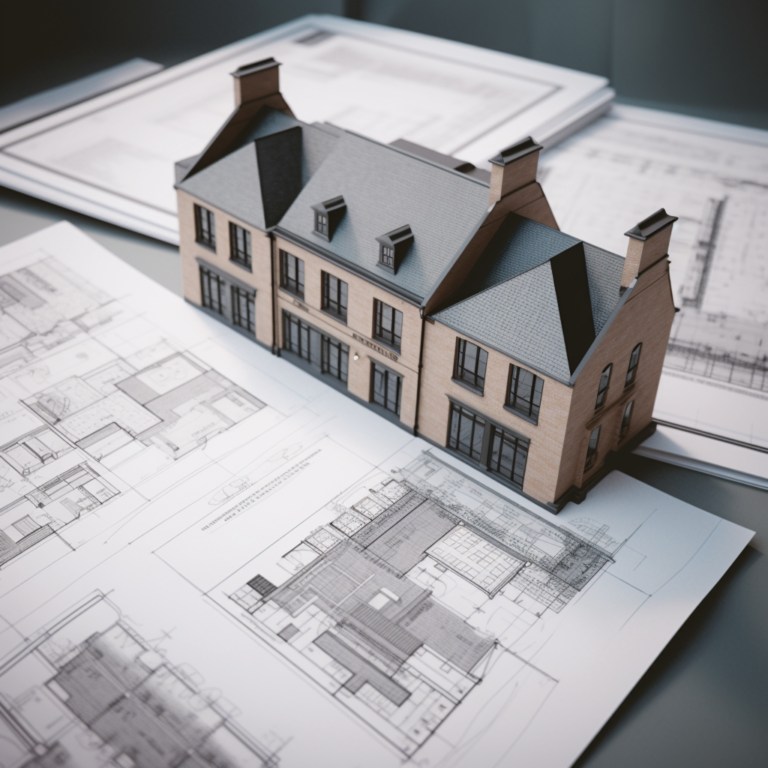
Now that you have tailored your design and selected your materials, it’s time to focus on the practical steps involved in bringing your vision to life. This section covers essential aspects of planning and execution for a successful project.
Planning Permission Support
Navigating the planning permission process can be daunting, but it’s a necessary step in ensuring your project moves forward smoothly. Expert architects can guide you through the requirements, ensuring compliance with local regulations and helping you avoid potential setbacks.
By trusting professionals with this task, you can focus on what truly matters—creating a home that reflects your style and values. Overcoming planning hurdles will bring you one step closer to realising your dream home.
Detailed Design and Interiors
Attention to detail is crucial in crafting a cohesive interior that complements your architectural design. This involves selecting finishes, fixtures, and furnishings that align with your aesthetic and functional goals. Consider how each element contributes to the overall feel of your space.
A well-designed interior enhances not just the look but the functionality of your home. It’s about creating an environment that feels welcoming and tailored to your lifestyle. For inspiration on detailed design and interiors, explore this guide.
On-Site Delivery and Coordination
The final step in your architectural journey is the on-site delivery and coordination of your project. This involves managing contractors, overseeing construction progress, and ensuring that every detail aligns with your design vision.
Effective coordination minimises delays and ensures a smooth transition from design to reality. By staying involved in each stage, you help create a home that’s not only beautiful but also built to last. The journey from blueprint to finished home is one of collaboration and creativity. Experience the satisfaction of seeing your dream come to life.
Ultimately, sustainable design is about making smart choices today for a better tomorrow. By combining style with responsibility, you contribute to a healthier environment while creating a space that truly feels like home.