
Navigating Planning Permission in Yorkshire and the Midlands: Your Guide to Success
Planning permission can feel like a maze when you’re tackling a home development in Yorkshire or the Midlands. You might have a clear vision, but local rules and regulations often cloud the path. This guide breaks down what you need to know to move forward with confidence and bring your bespoke design to life without unnecessary delays. Let’s explore how smart planning sets the stage for your next residential architecture project. For more insight, check out these radical reforms needed to unlock Britain’s broken planning system.
Understanding Planning Permission
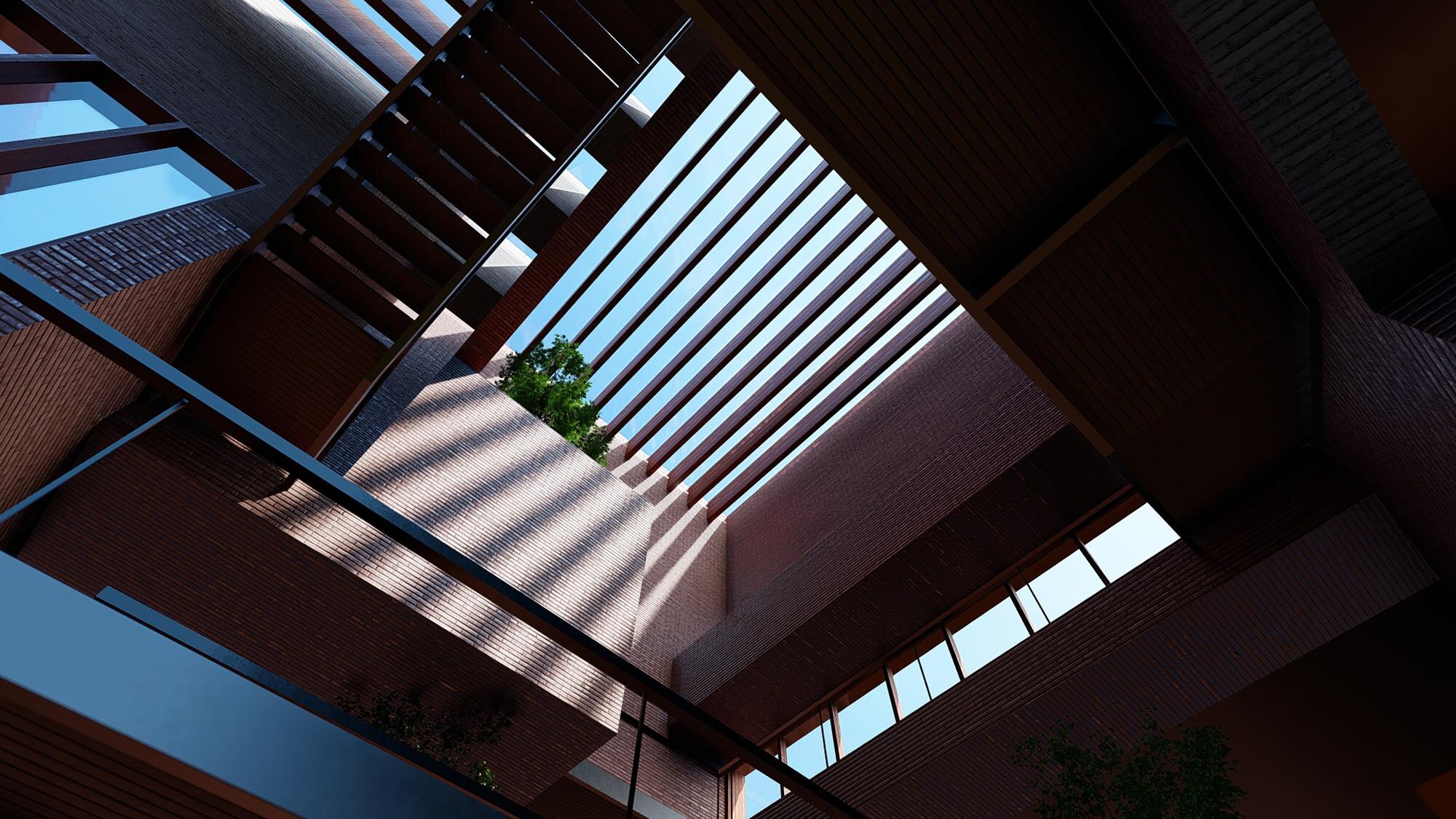
Embarking on a home development project means first grasping the intricacies of planning permission. This understanding is crucial whether you’re in Yorkshire or the Midlands. The rules can seem daunting, but once you know what’s expected, you’re halfway there.
Key Regulations in Yorkshire
In Yorkshire, the rules vary by area, but generally, you’ll need permission for significant changes to your home. This includes extensions or new builds. Local planning authorities will assess your proposal based on factors like design, size, and impact on the surrounding area.
-
Each council has specific criteria. For example, if you’re in a conservation area, extra guidelines might apply.
-
It’s crucial to research local council policies. Some have stricter controls, especially in areas like North Yorkshire.
-
Always consider the environmental impact. Yorkshire councils often prioritise eco-friendly designs.
To avoid common pitfalls, use resources like the Country Land and Business Association to understand permitted development rights that may simplify the process.
Midlands Planning Considerations
The Midlands presents its own challenges. While there’s some overlap with Yorkshire, local nuances are key. Many areas in the Midlands focus on preserving historical character, so aligning with these priorities is essential.
-
Check if your property falls within a protected zone. This may affect what changes you can make.
-
Local councils often require detailed design proposals, especially for new builds.
-
Engaging with neighbours can smooth the process. Their support can be valuable during consultations.
To dive deeper into specific challenges such as building on green belt land, explore tips from LandTech.
Steps to Secure Approval
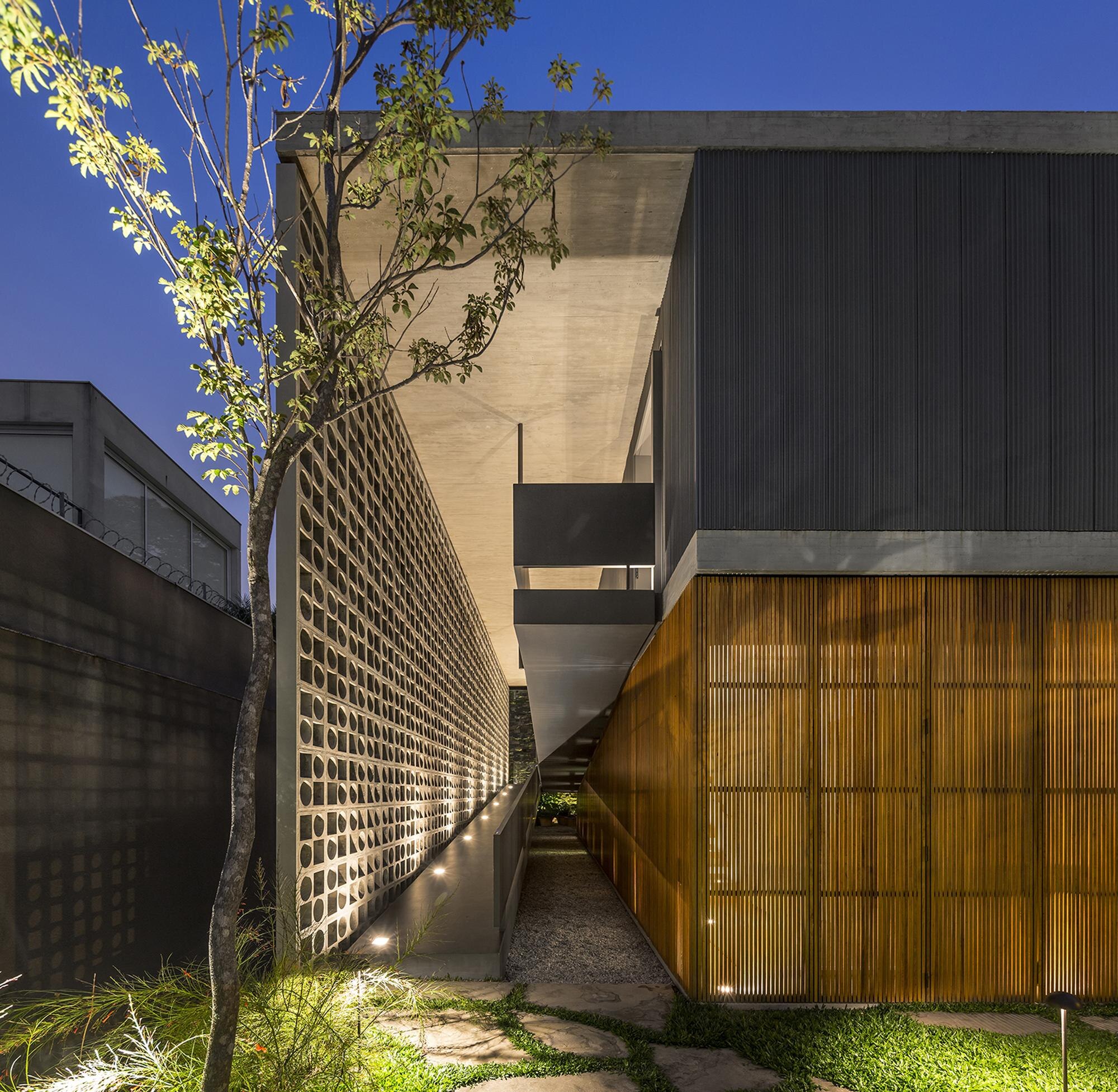
Securing planning approval is a journey, but with the right steps, you can navigate it successfully. Here’s how to prepare and engage effectively with local authorities.
Preparing Your Application
A strong application is your ticket to success. Ensure it’s detailed and aligns with council expectations. This involves gathering the right documents and presenting a clear vision.
-
Start with a comprehensive design brief. It should outline your goals and how they meet local guidelines.
-
Include accurate architectural drawings. These should highlight all proposed changes.
-
Prepare a statement of community involvement. It shows you’ve considered local feedback.
Remember, a well-prepared application demonstrates your commitment and understanding of local priorities.
Engaging with Local Authorities
Engaging with local authorities is often seen as daunting, but it doesn’t have to be. A collaborative approach can make all the difference.
-
Schedule pre-application meetings. They provide valuable insights and can flag potential issues early.
-
Be open to feedback and willing to make adjustments. Flexibility is often appreciated.
-
Maintain clear communication throughout the process. It builds trust and ensures smoother progress.
For more strategies on navigating planning systems, check out discussions in this Facebook group.
Designing for Success

Crafting a successful residential project involves more than just securing permission. It’s about designing spaces that meet your needs and align with planning policies.
Bespoke Design Tips
Bespoke design is your opportunity to create a home that reflects your personality and lifestyle. Here’s how to ensure your design stands out for the right reasons.
-
Focus on functionality. A beautiful home is one that works well for you and your family.
-
Consider future-proofing. Design with adaptability in mind to accommodate future needs.
-
Emphasise sustainability. Eco-friendly designs are increasingly favoured by local councils.
Most people think bespoke designs are more expensive, but with smart planning, they can be cost-effective. Explore more about home designs and architecture at Place Yorkshire.
Navigating Residential Architecture Challenges
Residential architecture presents its own challenges, but these are not insurmountable. Anticipating potential hurdles and planning for them can ensure a smoother process.
-
Be mindful of budget constraints. Always leave room for unexpected costs.
-
Anticipate potential delays. Factors like weather or supply issues can impact timelines.
-
Stay informed about local developments. Changes in policy can affect your project.
Here’s the key insight: The longer you wait to address these challenges, the more they can grow. Taking proactive steps now ensures your project remains on track.
🌟🏡📐
Successfully navigating planning permission requires understanding local regulations, preparing a solid application, and crafting designs that inspire. With these strategies, you’re well on your way to seeing your dream project become a reality.