
How to navigate planning permission for home extensions and new builds (Yorkshire, the Midlands, and the North East)
Planning permission can feel like a maze, especially when you’re aiming to extend your home or build anew across Yorkshire, the Midlands, or the North East. The rules don’t just sit on paper—they shift with local quirks and hidden hurdles that catch many out. This guide breaks down how planning permission really works, helping you avoid costly missteps and giving you a clear path from first idea to final approval with confidence. For further information, you might find this homeowner’s guide to planning permission vs permitted development useful.
Understanding Planning Permission

Planning permission can seem daunting, but understanding the basics is crucial to any successful building project. Knowing the ins and outs can save you time, money, and stress.
Navigating Planning Permission Basics
Grasping the essentials of planning permission is your first step. You’re not just dealing with paperwork; you’re ensuring your project complies with local rules. This involves understanding permitted development rights.
-
What Are They? – These rights allow certain building works without needing full planning permission. For example, a single-storey extension often falls under these rights.
-
Limitations to Consider – Not all projects qualify. Factors like size, location, and use can affect your eligibility. It’s crucial to know if your project fits within these bounds. For more details, check out this guide on building an extension.
Common Planning Constraints in the UK
Planning constraints vary widely, and it’s vital to identify potential obstacles early. Conservation area consent and listed building consent are two major considerations if your property is historically significant.
-
Conservation Areas – These areas have stricter controls to preserve character. Any alterations require specific consent.
-
Listed Buildings – Special permission is needed for any changes to preserve historical significance. This can be a complex process, often requiring detailed heritage impact statements.
Building Regulations vs Planning Requirements
Building regulations and planning requirements might sound similar but serve different purposes. While planning permission focuses on the appearance and impact of your project, building regulations ensure it’s safe and energy-efficient.
-
Differences – Planning permission relates to location, use, and external appearance. Regulations cover structural aspects like fire safety and insulation.
-
Overlap – Sometimes, they intersect. For instance, a project may require both approval types for different aspects. Knowing these distinctions can prevent costly errors.
Regional Nuances in Planning Applications

Understanding the regional specifics of planning applications can give your project a smoother path forward. Each area has its own quirks that affect how applications are handled.
Planning Applications in Yorkshire
Yorkshire offers unique challenges in planning. The diversity of landscapes means rules can vary greatly.
-
Urban vs Rural – In urban areas like Leeds, regulations might focus on density and aesthetics. In contrast, rural zones may emphasize landscape preservation.
-
Examples – A barn conversion in North Yorkshire might face different scrutiny compared to a new build in West Yorkshire.
The Midlands: Key Considerations
In the Midlands, balancing growth with tradition is key. The region values both innovation and heritage, impacting how applications are assessed.
-
New Developments – Projects in cities like Birmingham may face hurdles related to urban density and infrastructure impact.
-
Heritage Areas – Towns with historical significance often have stricter guidelines to maintain their character, necessitating detailed planning drawings.
Unique Challenges in the North East
The North East has its own set of challenges, especially with its rich industrial history.
-
Regeneration Zones – These areas might offer more leeway for innovative designs but require careful consideration of their historical context.
-
Coastal Concerns – Projects near the coast must consider environmental impact and erosion risks, impacting the feasibility study architecture.
Avoiding Costly Mistakes
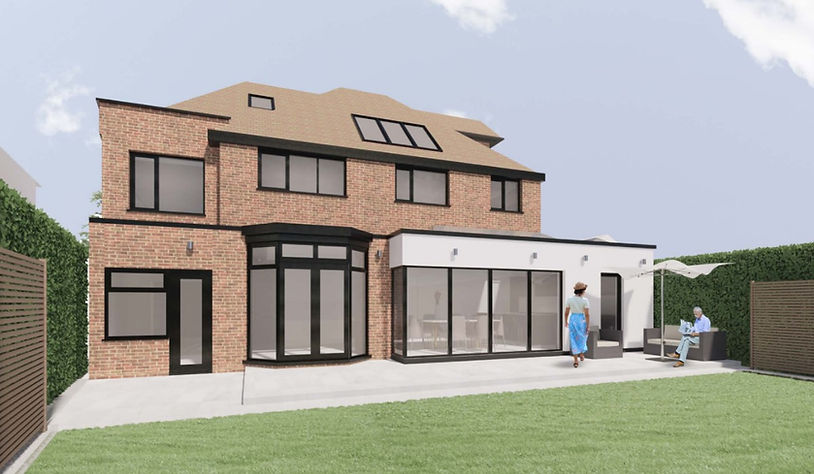
Success in planning comes from preparation. Avoiding common pitfalls can save you from expensive setbacks.
Importance of Pre-Application Advice
Seeking pre-application advice can set your project on the right course. This step helps identify potential issues before they arise.
-
Benefits – It offers clarity on requirements, helping tailor your application to local expectations.
-
Engagement – Meeting planners early can provide insights specific to your area, like whether a Design and Access Statement is necessary.
Engaging with Neighbours and Councils
Keeping good relations with neighbours and councils can be crucial. Neighbour consultation might be required for certain projects.
-
Communication – Informing neighbours about plans helps mitigate objections.
-
Council Relations – Understanding council priorities can guide your application. They might have insights on local planning constraints to consider.
Managing Planning Conditions and Appeals
Even with approval, your journey doesn’t end. Managing planning conditions and understanding appeals is vital.
-
Conditions – These are often attached to approvals, requiring you to meet specific criteria before proceeding. Understanding how to discharge planning conditions is key.
-
Appeals – If an application is rejected, knowing your appeal options can keep your project alive. Planning appeal support can offer guidance on this process.
In conclusion, navigating planning permission requires understanding both national and regional specifics. Taking proactive steps and seeking expert advice can smooth the process, helping you achieve your vision with confidence.