
Designed for Place: How Regional Expertise Delivers Better Homes in Yorkshire, the Midlands and the North East
You’ve probably felt the frustration of planning permission dragging on or budgets stretching beyond control. That’s where regional architectural expertise makes all the difference. By knowing Yorkshire’s, the Midlands’, and the North East’s planning policies, heritage rules, local materials, and microclimates inside out, Hepburn Architects creates homes that feel unmistakably yours—and smoother projects that respect your time and money. Let’s explore how this local insight shapes better bespoke residential design from the ground up. Read more about the benefits of working with local architecture firms here.
Embracing Regional Expertise
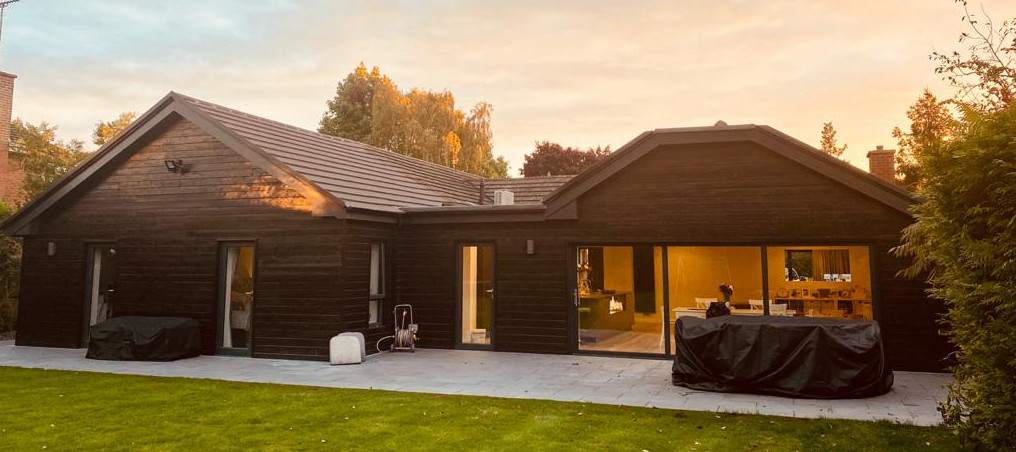
Regional expertise isn’t just about understanding a place—it’s about feeling it. This knowledge transforms architectural challenges into opportunities.
Understanding Local Planning Policies
Navigating local planning policies can feel like a maze. Yet, this is where the right expertise turns potential headaches into streamlined processes. Yorkshire architects, with a deep grasp of local rules, ensure your project moves forward smoothly.
Imagine the journey of a homeowner in Leeds. With the help of experts, they avoided pitfalls and achieved planning approval weeks ahead of schedule. This isn’t luck; it’s strategic knowledge in action.
-
Local regulations often change; staying updated is crucial.
-
Midlands architects understand the nuances of regional planning bodies.
For more insights on collaborating with local experts, explore this guide.
Mastering Vernacular Materials
Vernacular materials breathe authenticity into architecture. They connect your home to its surroundings, making it feel truly part of the landscape.
Incorporating local stone in a North East home, for instance, adds character while reducing costs. Sourcing materials from nearby means fewer transport expenses and a smaller carbon footprint.
-
Local materials offer sustainability benefits.
-
They also enhance durability by being suited to local climates.
Understanding these materials means your home isn’t just built—it’s crafted. Learn more about the impact of material choice here.
Tailored Design for Regional Needs
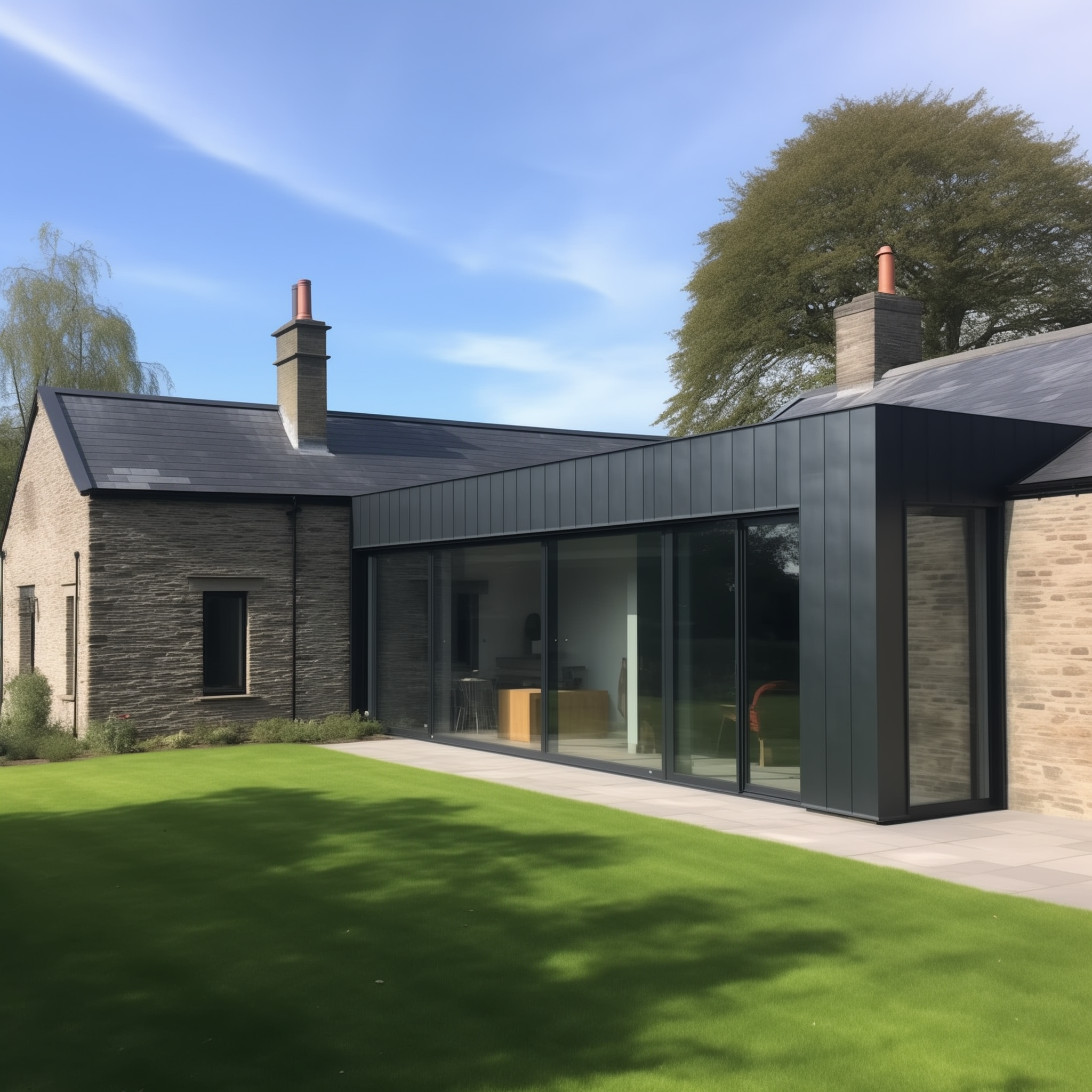
Tailored design ensures each home is a reflection of its owner’s dreams and its location’s story.
Sustainable Home Design Solutions
Sustainability isn’t just a trend—it’s a necessity. Sustainable home design solutions use smart techniques to create energy-efficient homes.
Consider a property in the Midlands that uses passive solar design. By orienting the building to maximize natural light, homeowners enjoy brighter spaces and reduced energy bills.
-
Low-energy homes save money long-term.
-
They also contribute positively to the environment.
For a deeper dive into sustainable design, visit this resource.
Heritage Property Upgrades
Updating heritage properties requires a delicate touch. It’s about blending the old with the new while respecting the past.
Take a Victorian home in Yorkshire. By integrating modern amenities discreetly, its charm remains intact, yet functionality improves dramatically.
-
Heritage upgrades increase property value.
-
They also enhance daily living with modern comforts.
Balancing tradition with innovation ensures these homes remain relevant and cherished. For more on heritage design, explore further here.
Navigating Planning and Permissions
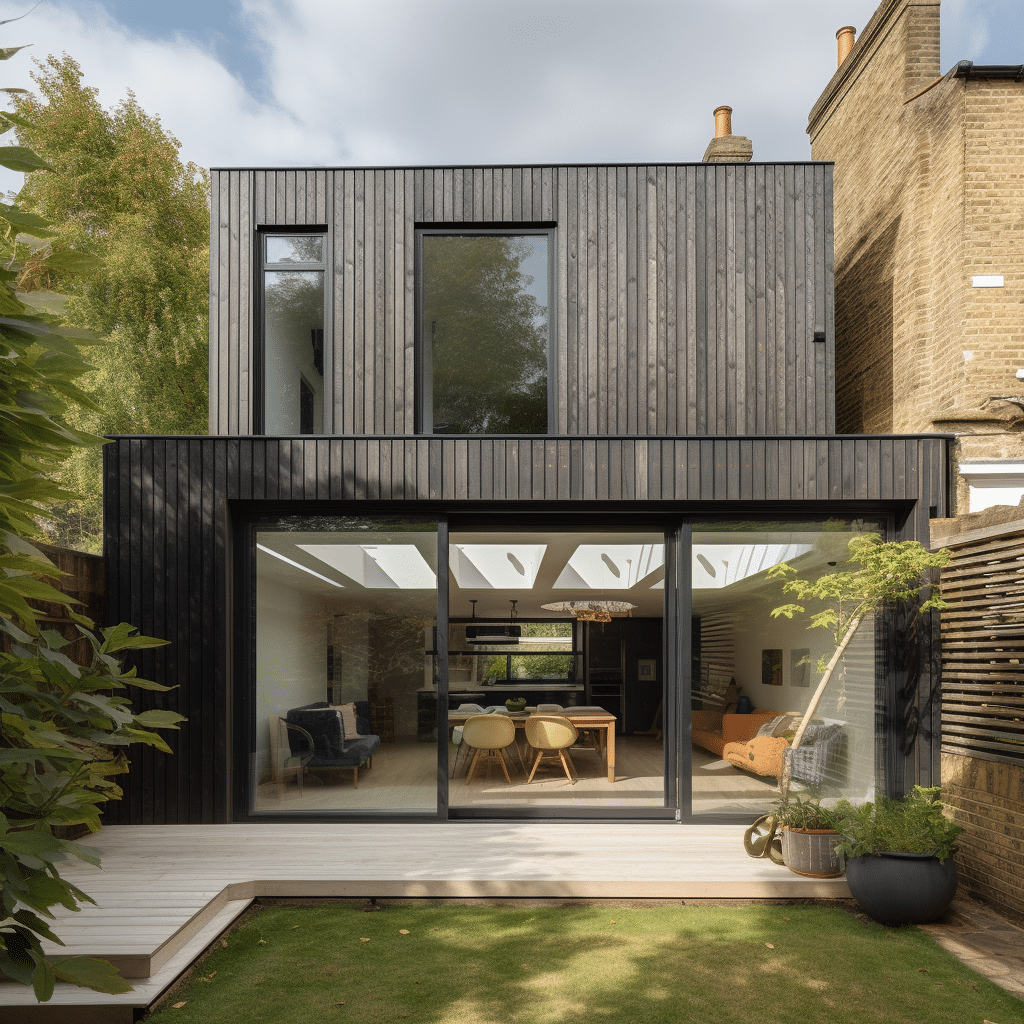
A smooth planning process is essential for any successful project. This requires not just compliance, but strategic foresight.
Building Regulations and Site Analysis
Understanding building regulations is crucial. Compliance ensures safety and functionality.
Consider a site analysis in a North East village. By assessing wind patterns, architects positioned the home for natural windbreaks, reducing heating costs.
-
Thorough site analysis informs smarter design decisions.
-
It also mitigates risks by identifying potential challenges early.
For comprehensive guidance on regulations, read more here.
Listed Building Consent and Conservation Areas
Listed buildings and conservation areas have strict guidelines. Navigating them demands expertise and patience.
A conservation project in Durham demonstrates how thoughtful design can respect history while introducing modern efficiencies.
-
Securing consent protects architectural heritage.
-
It also ensures your project adheres to legal standards.
In summary, regional expertise transforms these challenges into seamless adventures, creating homes that are uniquely yours. As you plan your next project, imagine the possibilities with a partner who understands both you and the land.