
Build Smarter: A Comprehensive Guide to Bespoke Residential Architecture in Yorkshire and the Midlands
Most bespoke homes in Yorkshire and the Midlands start with uncertainty over planning, budgets, and design choices. You don’t have to navigate that alone. This guide breaks down how bespoke residential architecture really works here—so you can make decisions that reduce risk, control costs, and add lasting value to your home. Let’s start building smarter, together. [https://www.hepburnarchitects.com/latest-news]
Understanding Bespoke Residential Architecture
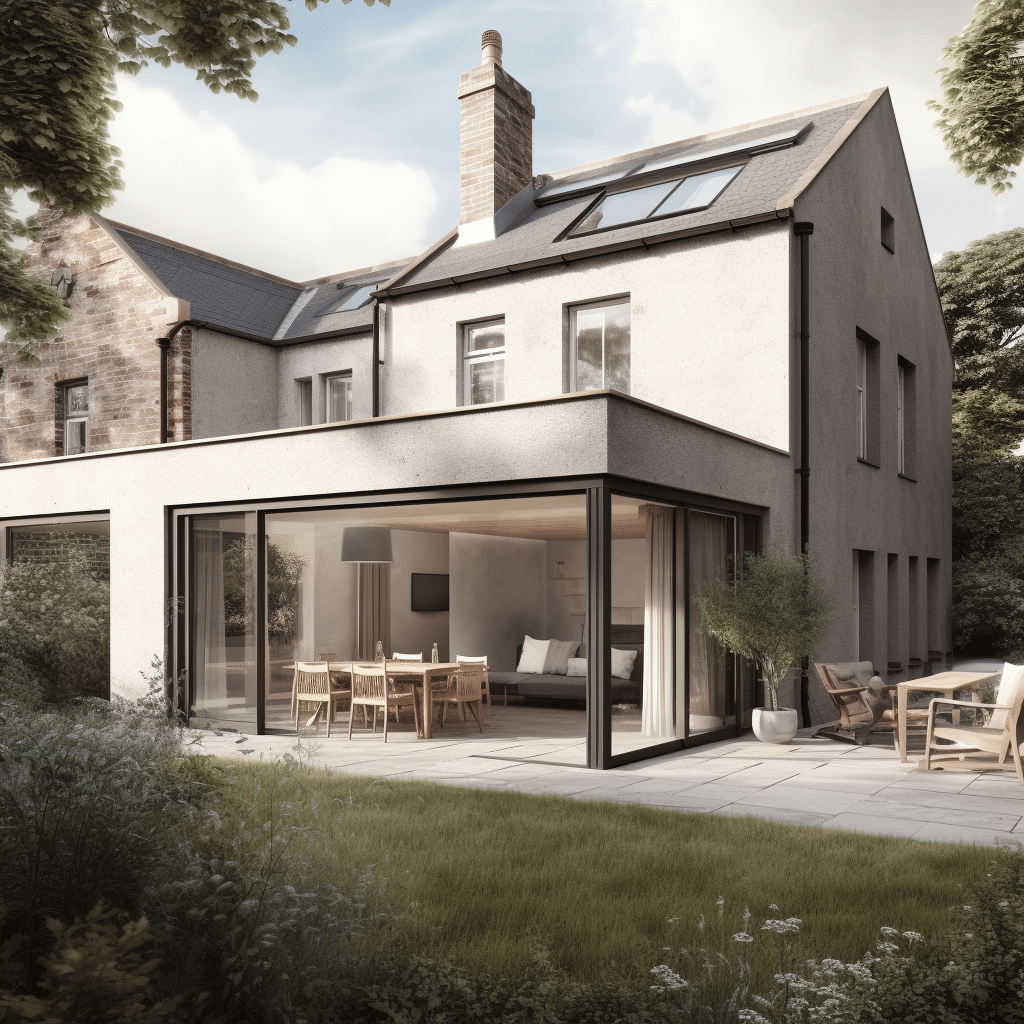
Your dream home deserves more than a one-size-fits-all approach. Exploring bespoke residential architecture opens a world where your vision and lifestyle take center stage. But how does this process add value to your project?
The Value of Custom Designs
Imagine a home designed just for you—every corner reflecting your personality. Custom designs offer this, turning ideas into reality. They provide flexibility, allowing you to tailor every detail. This isn’t just about aesthetics; it’s about creating functional spaces that suit your life.
For example, a family in Leeds opted for a bespoke kitchen extension, enhancing both space and value. Here’s why this matters:
-
Personalisation: Aligns with your needs and taste.
-
Long-term value: Increases property appeal.
By choosing bespoke, you ensure your home is not only unique but also practical and valuable. Want to learn more about custom designs? Check out this guide on designing homes.
Strategic Planning and Design Choices
Planning strategically is crucial. It starts with understanding your site’s potential and limitations. This involves making informed design choices that balance creativity and functionality.
Consider the climate and local style. In Yorkshire, for instance, using local materials not only supports sustainability but also respects the area’s architectural heritage. Sustainable home design is gaining popularity, offering both environmental benefits and cost savings.
To plan effectively:
-
Identify key features: What must your home include?
-
Consider future needs: Will your family grow?
-
Set a realistic budget: Plan finances early.
With these steps, you lay a strong foundation for a home that meets today’s needs and tomorrow’s dreams.
Navigating the Planning Process
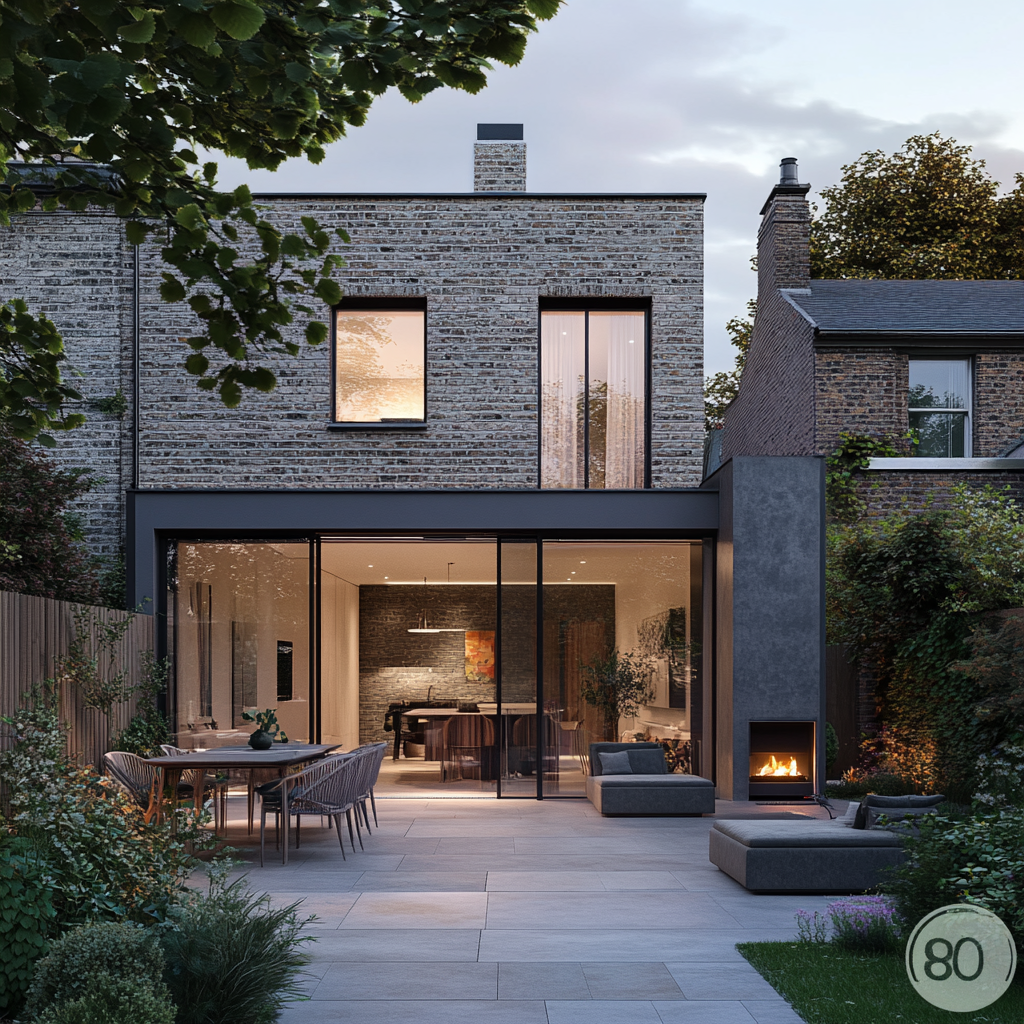
With a clear vision in mind, the next hurdle is planning. It’s a journey through regulations, but understanding local nuances can smooth the path. Here’s how to tackle planning in Yorkshire and the Midlands.
Local Planning Nuances in Yorkshire and Midlands
Yorkshire and the Midlands each have distinct planning landscapes. Navigating these requires insight into local rules and relationships with planning authorities. Knowing the nuances can make a significant difference.
For instance, planning permission in Yorkshire often considers heritage conservation, especially in historic areas. In contrast, the Midlands may focus more on urban development impacts. Understanding these differences helps tailor your approach.
Want to delve deeper into regional architectural styles? Explore vernacular house designs in Northern England.
Securing Planning Permission with Confidence
Securing permission is often the most daunting step. Yet, with preparation, you can approach this stage with confidence. Here’s how:
-
Engage early with local planners: Build relationships to understand expectations.
-
Prepare detailed plans: Clear, comprehensive applications reduce delays.
-
Be open to feedback: Adapt plans based on advice from authorities.
Most people think planning is a rigid process, but flexibility can be your ally. By being adaptable, you increase your chances of success and move closer to bringing your vision to life.
Bringing Your Vision to Life
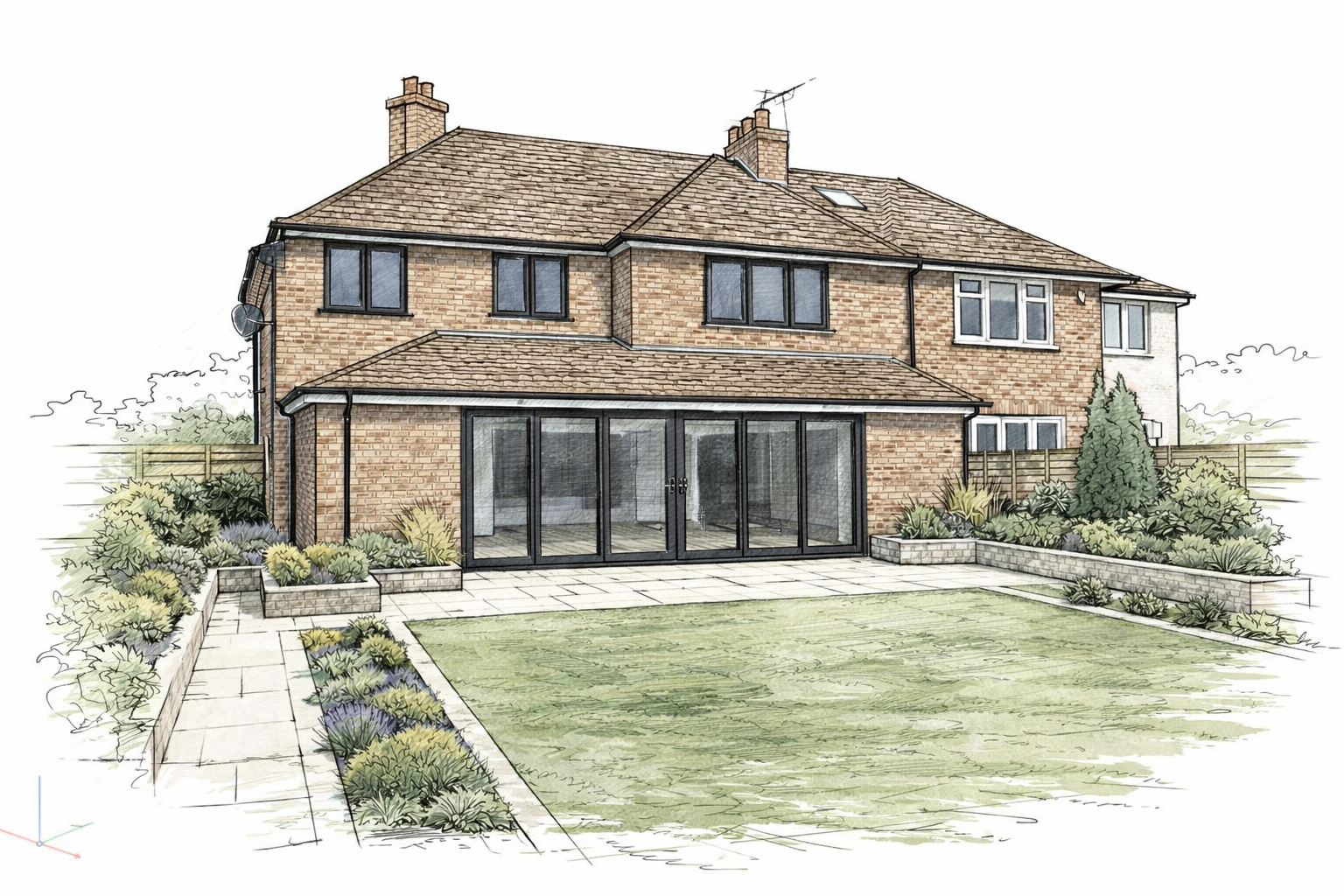
With planning in hand, it’s time to turn designs into reality. This phase is about managing costs and ensuring compliance with building regulations.
Budgeting and Managing Costs
Budgeting isn’t just about cutting costs; it’s about smart allocation. Start by setting realistic expectations and tracking expenses against your plan. A well-managed budget keeps surprises at bay.
Here’s a quick guide to budgeting effectively:
-
List all expenses: Include construction, permits, and design fees.
-
Build a contingency fund: Allocate at least 5-10% for unforeseen costs.
-
Review regularly: Keep tabs on spending to stay on track.
By focusing on these areas, you maintain control over finances while ensuring quality.
Building Regulations and Compliance
Building regulations can be challenging but are crucial for safety and legality. Compliance ensures your home is secure and meets all necessary standards.
Key areas of focus include:
-
Structural integrity: Ensure foundations and frameworks are sound.
-
Energy efficiency: Adopt green practices for long-term savings.
-
Safety standards: Fire and electrical safety can’t be overlooked.
Understanding these regulations might seem overwhelming, but following them protects your investment. For a comprehensive look at building a house, visit this ultimate guide.
In conclusion, embarking on a bespoke residential project requires careful planning and strategic decisions. Each choice impacts not just the look of your home, but its value and sustainability. By educating yourself and seeking expert guidance, you can confidently navigate this exciting journey. Let’s build smarter, for a home that truly feels like yours.