
Bridging Dreams and Design: Communicating Your Vision to Your Architect
Telling your architect exactly what you want is tougher than it seems. Many homeowners struggle to turn dreams into clear plans, leading to delays or designs that miss the mark. In this guide, you’ll learn how vision communication can make all the difference—ensuring your bespoke residential design reflects your true needs from the start. Let’s explore how Hepburn Architects helps bring your ideas to life, whether you’re planning a home renovation or a brand-new build. Learn more here.
Understanding Your Vision
Before you dive into sketches and layouts, it’s crucial to pin down what you truly want. This clarity paves the way for a smoother design process, ensuring your new space fits your lifestyle.
Defining Your Dream Space
Imagine walking through your ideal home. What do you see? Is it a sun-filled kitchen where your family gathers, or a tranquil study overlooking the garden? Visualising these moments helps shape your dream space. Write down specifics—the big and small details that matter to you. Consider how each room will function. Will your living room double as a home office? Do you need extra storage in the bedrooms? Being specific about your needs from the start will guide your architect in crafting a plan that works for you.
Gathering Inspirational Ideas
Once you have a vision, it’s time to gather inspiration. Look through magazines, websites, and design blogs. Pinterest and Instagram are treasure troves for ideas. Bookmark styles or features that catch your eye. Don’t shy away from mixing different styles. Sometimes, a blend of modern and rustic elements creates a unique charm. As you compile your favourites, consider why you like them. Is it the colours, the layout, or the materials? This scrapbook of ideas will be invaluable when discussing possibilities with your architect.
Effective Communication Techniques
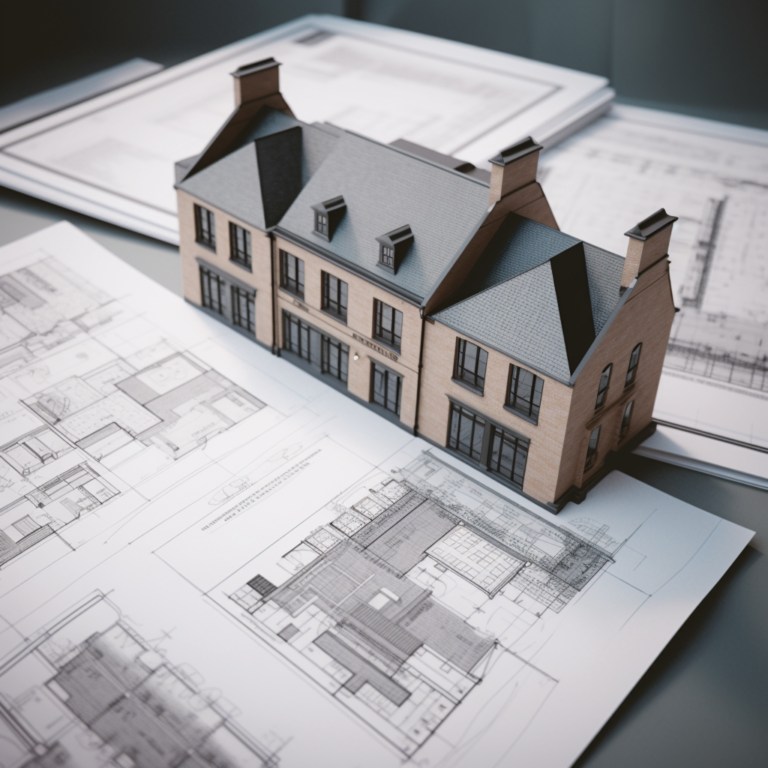
Now that you have a vision, the next step is communicating it clearly. Effective communication ensures your ideas are understood and explored fully during the design process.
Visual Tools and Mood Boards
Visual tools are fantastic for conveying your ideas. A mood board is a great start. Gather images, fabric swatches, and colour samples that represent your style. Lay them out to see how they work together. This isn’t just about aesthetics; it’s about the feelings and atmosphere you wish to create. Digital tools make sharing easy. Platforms like Canva or Pinterest boards can help you present your ideas to your architect. Seeing your preferences clearly laid out helps the architect understand your style and intentions, making it easier to translate them into a design.
The Importance of Clear Dialogue
Good communication is not just about visuals; it’s about dialogue. Be open and honest with your architect. Share both your must-haves and your concerns. Discuss budget constraints and timelines early on. Ask questions if you don’t understand something. An architect is there to guide you, not just draw plans. Regular dialogues prevent misunderstandings and ensure the project stays on track. Don’t be afraid to speak up if something doesn’t feel right. Open communication builds a strong working relationship and results in a design that truly matches your vision.
Collaborating with Your Architect
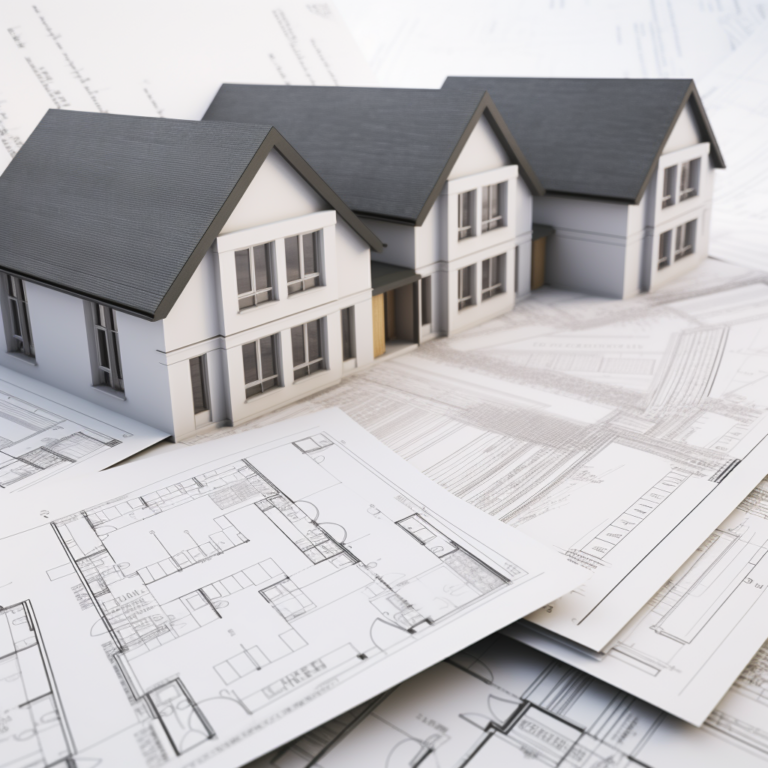
Collaboration is key to a successful project. Working closely with your architect ensures your ideas are accurately translated into the final design.
Setting Realistic Expectations
Setting realistic expectations from the start helps avoid disappointment later. Understand the scope of your project and what is feasible within your budget and time frame. Discuss any constraints, such as building regulations or structural limitations, with your architect. They can guide you on what’s possible and suggest alternatives if needed. It’s important to be flexible. Some ideas may need to be adjusted to fit within practical limits. By aligning expectations early, you pave the way for a smoother journey and a result that satisfies everyone.
Regular Feedback and Adjustments
Feedback is a vital part of the process. Regularly reviewing designs and providing input keeps the project aligned with your vision. Schedule consistent meetings with your architect to discuss progress and any concerns. Be open to suggestions they make—they bring expertise and experience to the table. Small adjustments along the way prevent major changes later. This collaborative approach ensures the final design reflects your needs and desires. Remember, this is a journey, and your involvement in each step brings you closer to your dream home.
🌟🏡✏️
By following these steps, you’ll move confidently through the design process, ensuring your home is a true reflection of your dreams and lifestyle. Ready to start your journey? Reach out to Hepburn Architects for a consultation and take the first step towards your bespoke residential design.