
Beyond Eco Buzzwords: Innovative, Practical Ways to Design a Sustainable Home
Sustainable residential design often feels like wading through endless buzzwords with little practical direction. You want a low-energy home that’s comfortable, cost-effective, and compliant—but where do you start? We break down clear, proven strategies that help you make smart choices from fabric-first principles to renewables, so your home works harder for you over its lifetime. Learn more about innovative approaches to sustainable residential design.
Sustainable Design Foundations
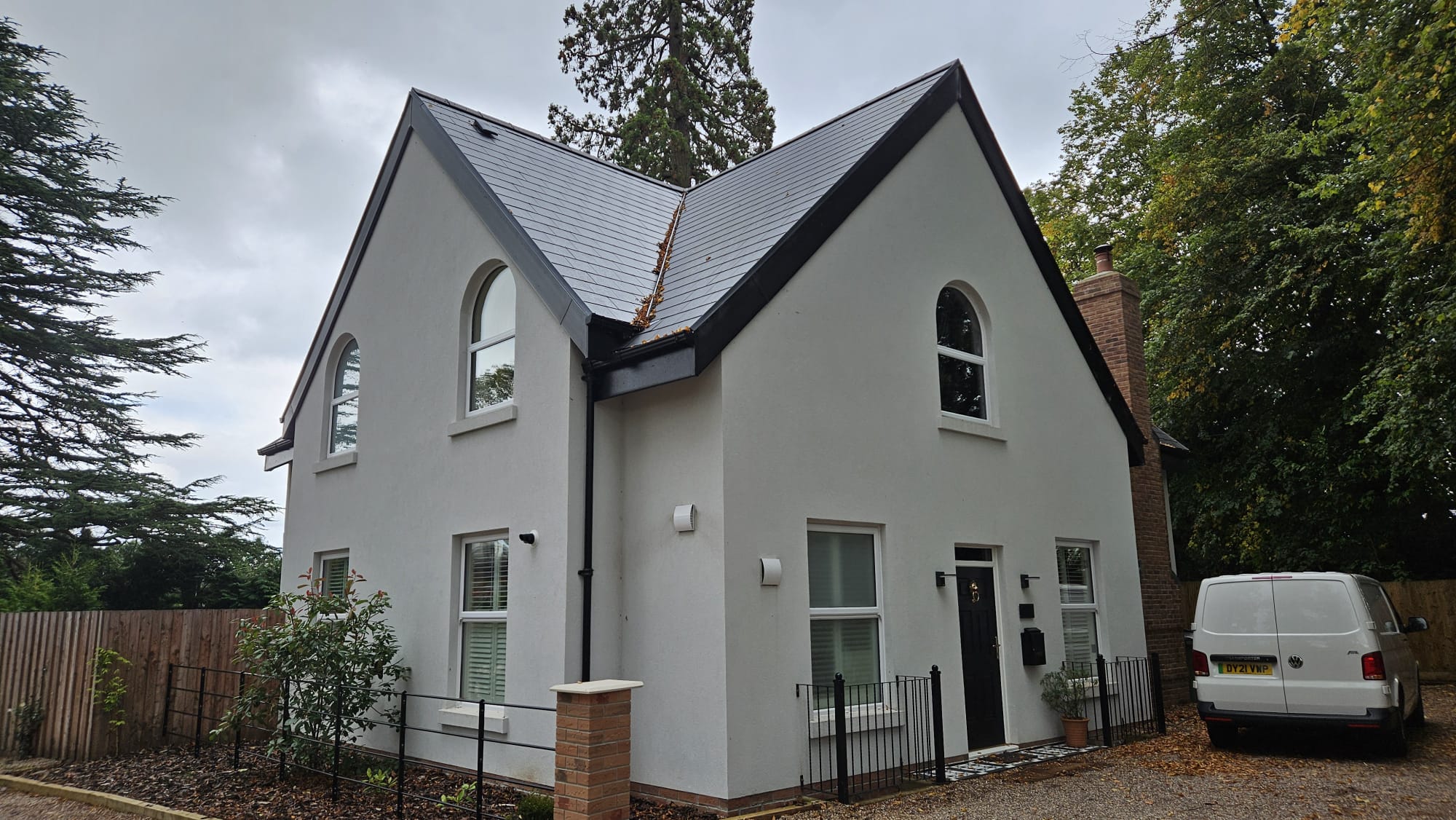
Embarking on the journey toward a sustainable home begins with solid foundations. Let’s delve into these key concepts, starting with a focus on building from the fabric-first approach.
Fabric-First Approach Explained
Imagine your home as a cosy blanket, wrapping you in warmth without the need for excessive heating. This is the essence of the fabric-first approach, where the building’s structure maximises insulation and energy efficiency. By enhancing the thermal performance of walls, roofs, and floors, you drastically cut energy bills and create a comfortable living space.
But how does one achieve this? Start by selecting high-quality materials that offer superior insulation. The goal is simple: keep warmth in during winter and out during summer. This method not only saves money but also reduces carbon footprints, aligning with goals like the RIBA 2030 Climate Challenge.
Most people think you need complex systems to go green, but it starts with getting the basics right. A well-insulated home requires less energy to maintain, making it greener and more cost-effective. You’ll soon see why this approach is the cornerstone of sustainable design.
Importance of Airtightness and MVHR
Building on the fabric-first strategy, airtightness is crucial. Think of it as sealing the envelope of your home, keeping unwanted drafts at bay. Achieving effective airtightness ensures that your home doesn’t leak the precious heat you’ve worked so hard to retain.
In tandem with airtightness, mechanical ventilation with heat recovery (MVHR) systems come into play. These systems maintain fresh air quality while recovering heat from outgoing air. This is not just about comfort—it’s about smart energy use. MVHR systems can recover as much as 90% of the heat from exhausted air.
Many overlook this step, relying solely on insulation. But remember, airtightness and MVHR together create a home that breathes efficiently. This pairing is a game-changer, especially when aiming for compliance with Part L building regulations.
Renewable Energy Solutions
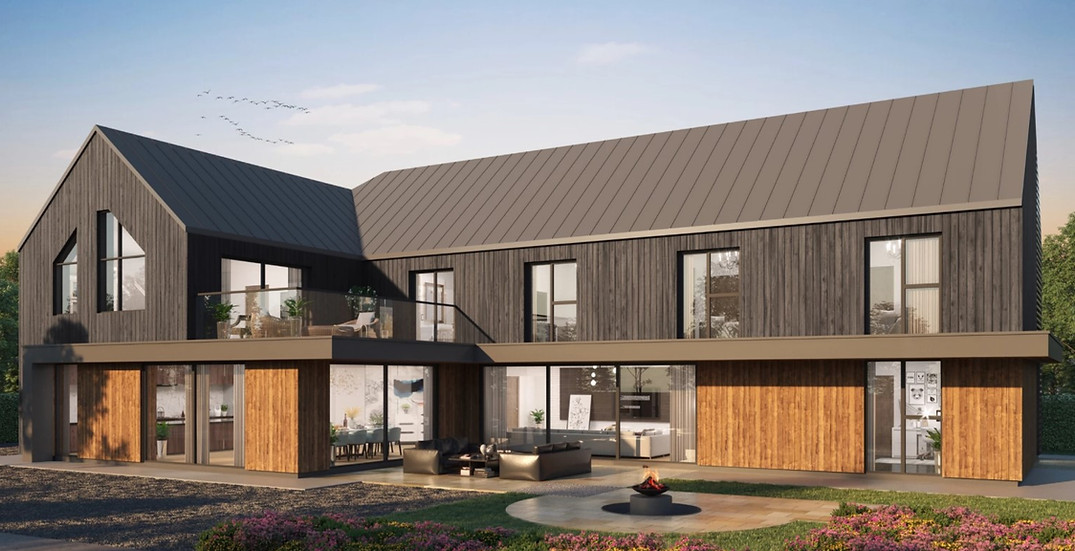
Once the foundation is set, renewable energy further amplifies your home’s efficiency. Let’s explore how technologies like heat pumps and solar PV can transform your energy landscape.
Exploring Heat Pumps and Solar PV
Most think renewables are out of reach, but they’re more accessible than ever. Heat pumps are a prime example, extracting warmth from the ground or air, providing heating and hot water with remarkable efficiency.
Pair this with solar photovoltaic (PV) panels, and you’ve got a win-win. Solar panels convert sunlight into electricity, significantly reducing reliance on fossil fuels. In the UK, even on cloudy days, solar PV can generate a surprising amount of energy.
Heat pumps and solar panels work best together, delivering year-round energy savings. Not only do they cut costs, but they also enhance your property’s value by meeting future energy standards, like those outlined in sustainable design guides.
Benefits of Battery Storage Systems
Now, consider adding battery storage systems to the mix. These systems store excess energy generated by your solar panels, allowing you to use it when you need it most, like during evenings or power cuts.
The longer you wait to adopt these technologies, the more savings you miss out on. Battery storage maximises the utility of your solar setup, ensuring nothing goes to waste. This is a smart move for any eco-friendly home design.
These technologies not only benefit the environment but also your wallet. With energy prices on the rise, investing in renewables and storage can provide long-term financial relief. Explore how residential design offers opportunities for sustainability.
Sustainable Materials and Techniques
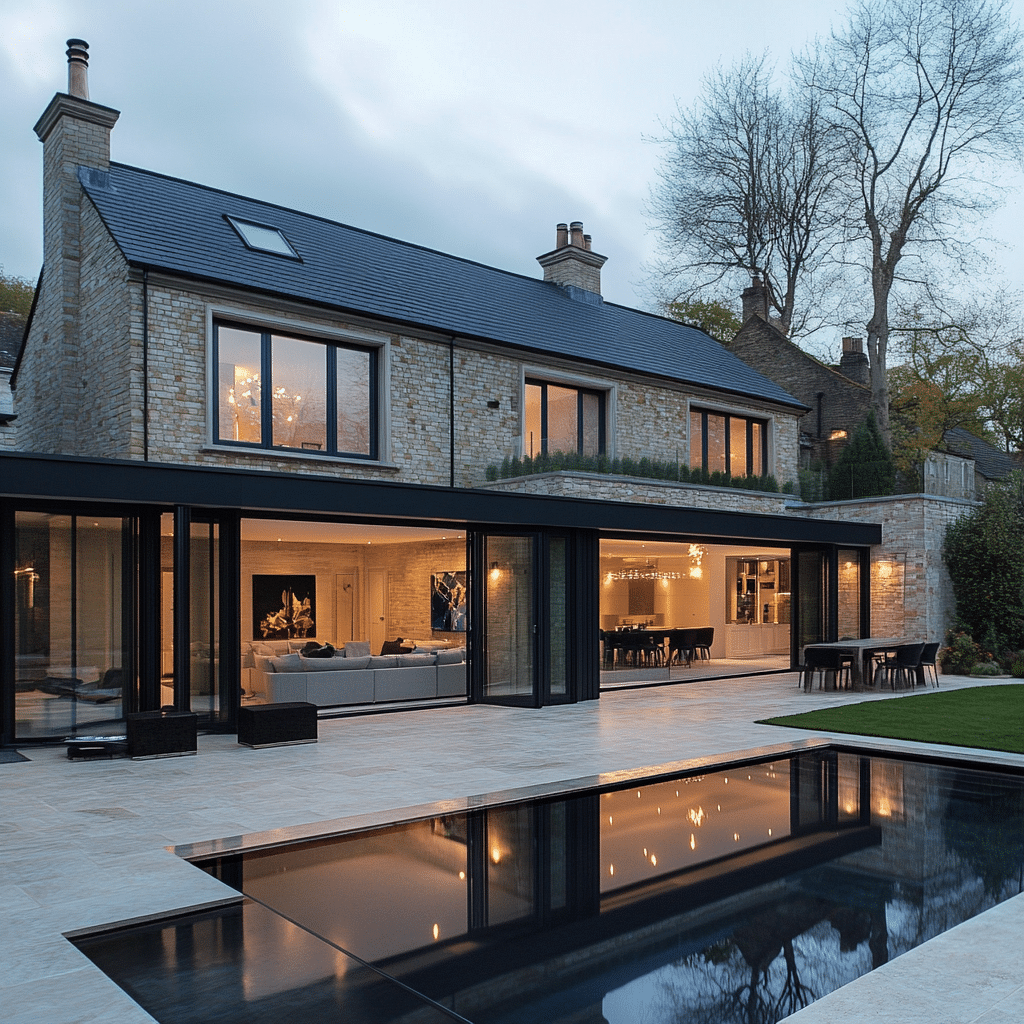
Building a sustainable home doesn’t stop with energy solutions. The materials and techniques you choose play a pivotal role in your home’s environmental impact.
Timber Frame and Natural Insulation
Timber frames are gaining popularity for a reason. They are not only lightweight and durable but also offer excellent insulation properties. When combined with natural insulation materials like wool or cellulose, they form a formidable defense against energy loss.
These materials are often overlooked in favour of traditional options. Yet, using timber and natural insulation can lead to a 30% reduction in heat loss compared to conventional materials. Plus, they are renewable resources, making them a sustainable choice for construction.
This blend of materials ensures your home remains energy-efficient without compromising on comfort. It’s a step towards reducing your carbon footprint while maintaining a cosy environment.
Reducing Embodied and Whole-Life Carbon
Finally, while operational carbon is important, don’t ignore embodied carbon—the emissions from producing and transporting building materials. Opt for materials with low embodied carbon, such as reclaimed wood or recycled metal.
Moreover, consider the whole-life carbon of your home. This includes everything from construction to demolition. Choosing sustainable materials and practices can significantly lower this figure, contributing to global efforts against climate change.
By thinking long-term, you’re not just building a home; you’re making a statement about what’s possible in sustainable living. See inspiring examples of eco-friendly house design elements. In doing so, you pave the way for a more sustainable future for all.
In summary, sustainable residential design is not about adopting trendy buzzwords. It’s about making informed, practical choices that benefit both your home and the planet. As you plan your next project, remember these foundations. For further guidance on your journey, turn to Hepburn Architects—your trusted partner in bespoke sustainable design.